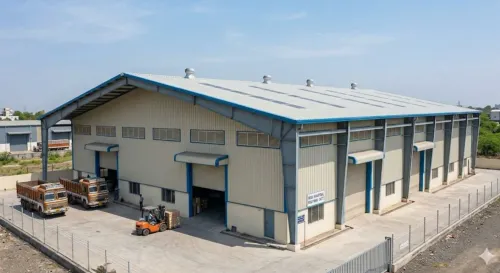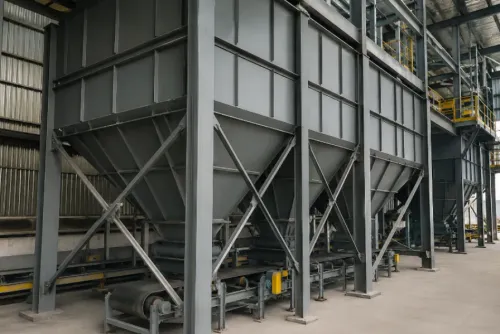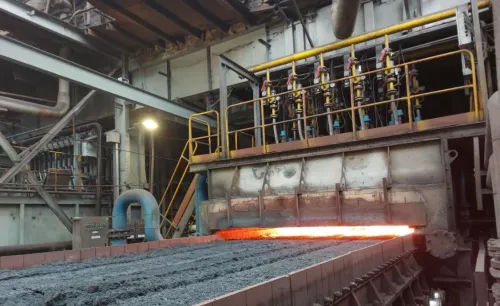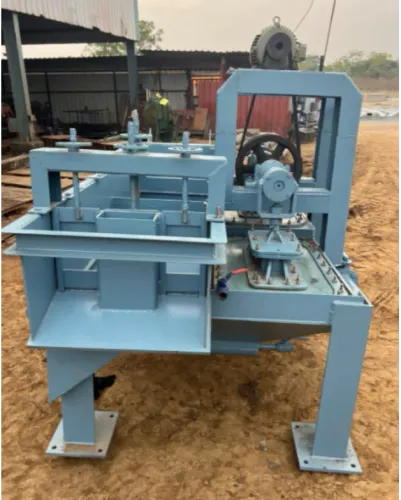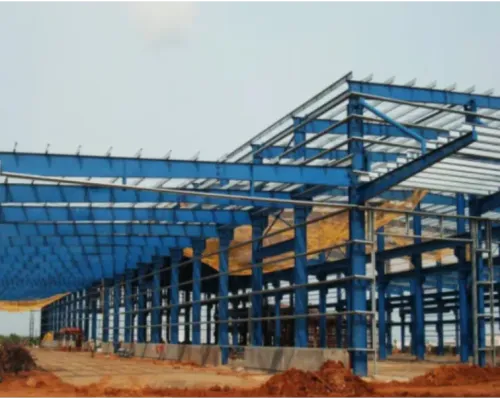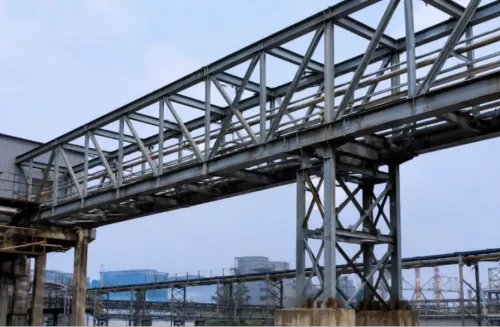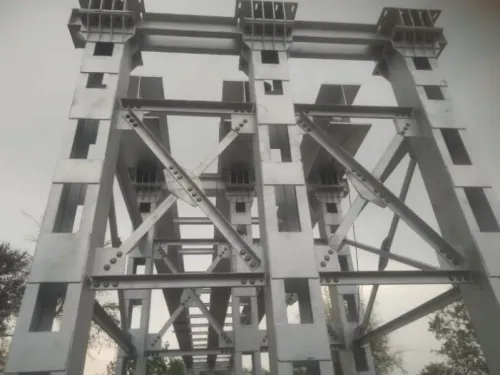

Industrial expansion often requires multiple activities to happen in a coordinated sequence. Civil interfaces, structural fabrication, equipment manufacturing, procurement, installation, testing, and commissioning may all depend on one another. Turnkey Projects bring these activities within a coordinated project-delivery approach.
Instead of managing numerous disconnected work packages independently, the project owner can define an intended operational outcome and establish a structured responsibility framework for delivering it.
What Does a Turnkey Industrial Project Include?
The exact scope varies according to the facility, process, and contractual arrangement. A turnkey engineering project may involve:
- Requirement assessment
- Engineering and design
- Equipment planning
- Material procurement
- Structural fabrication
- Equipment manufacturing
- Site coordination
- Installation
- Testing
- Commissioning
- Documentation
- Handover
The key idea is integration. Individual components should not simply be completed separately; they must ultimately function as part of the intended industrial system.
Why Coordination Becomes Difficult in Large Projects
Industrial projects involve dependencies.
A fabrication schedule may depend on approved engineering drawings. Equipment installation may depend on structural readiness. Electrical work may need confirmed equipment locations. Commissioning cannot proceed effectively until mechanical and electrical activities reach the required stage.
When these interfaces are poorly coordinated, common problems can include:
- Rework
- Site delays
- Conflicting drawings
- Installation difficulties
- Procurement bottlenecks
- Responsibility gaps
- Cost escalation
A structured turnkey approach aims to establish clearer coordination across these interfaces.
Turnkey Delivery Does Not Remove the Need for Planning
The term turnkey can sometimes create the impression that the client simply places an order and waits for a finished facility. In practice, successful execution still requires detailed input from the project owner.
Before engineering progresses, stakeholders should establish information such as production requirements, available space, process parameters, utility conditions, operating expectations, site limitations, and applicable technical specifications.
Changes made after fabrication has begun can affect cost and schedules considerably.
Engineering Comes Before Fabrication
One of the most important stages is converting the client's functional requirement into an executable engineering solution.
This may require evaluating:
- Equipment arrangement
- Structural loads
- Material movement
- Maintenance accessibility
- Process flow
- Utility requirements
- Equipment interfaces
- Installation sequence
Good engineering can prevent problems that would otherwise become expensive to correct at the fabrication or erection stage.
Why Regional Execution Capability Matters
Industrial projects in Nagpur and elsewhere in Maharashtra can involve equipment fabrication at one location and installation at another. Transportation constraints, site access, regional supply networks, erection planning, and coordination with local contractors can therefore influence execution.
A project plan should account for these practical factors rather than concentrating only on equipment specifications.
Nagpur also provides access to industrial activity across central India, making coordinated engineering and fabrication capabilities relevant to projects in Maharashtra and neighbouring regions.
Documentation Is Part of the Deliverable
Technical documentation can become especially important after commissioning.
Depending on project scope, records may cover drawings, equipment information, inspection details, operating instructions, and maintenance requirements. Organized documentation helps plant teams understand what was installed and supports future maintenance or modifications.
A Turnkey Project Is Ultimately About Integration
Successful turnkey execution depends on the relationship between design, procurement, manufacturing, fabrication, installation, and commissioning.
For organizations evaluating this delivery model, the important question is not simply how many services a contractor provides. The stronger question is whether those services can be coordinated effectively around the final operational requirement.
Heavy-engineering businesses such as Ghude Engineering operate in this project environment, where fabrication capability must work alongside engineering and execution planning.
A well-defined scope, clear technical responsibilities, realistic project sequencing, and controlled interfaces provide the foundation for a turnkey industrial project that can progress from concept to commissioning with fewer avoidable complications.
Keywords