

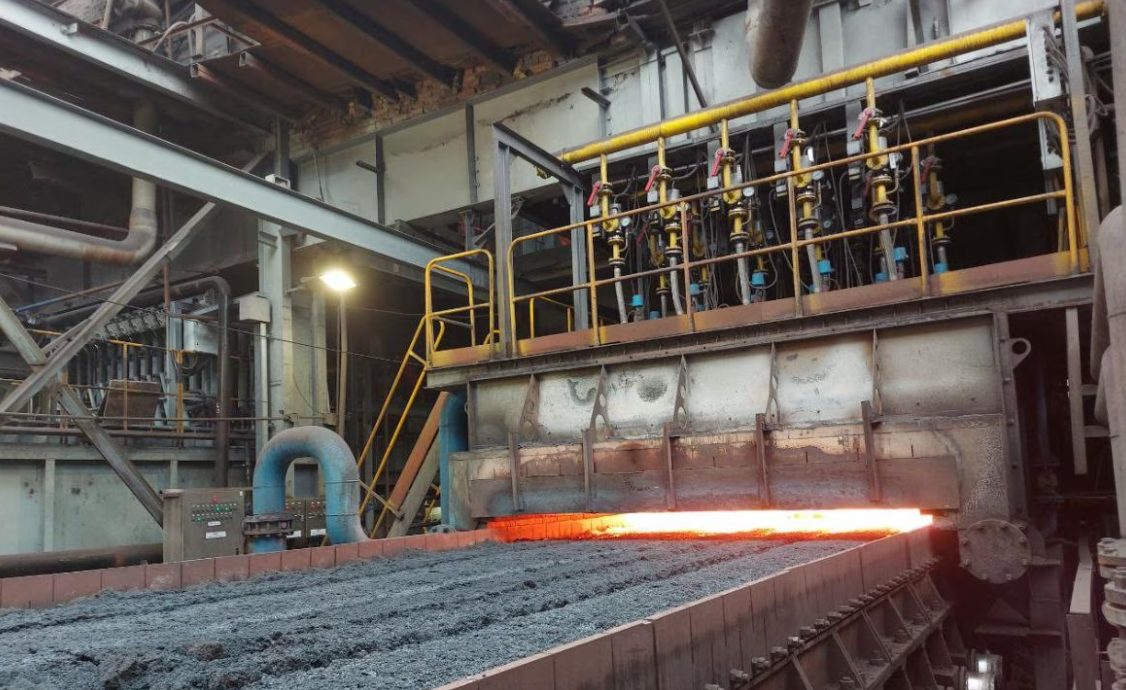
A sinter plant involves interconnected process equipment, material movement systems, structural requirements, operating conditions, and plant interfaces. Selecting a Sinter Plant Design and Manufacturer therefore requires deeper evaluation than choosing an individual equipment supplier.
The provider's ability to understand the overall process and coordinate engineering with manufacturing can have a significant influence on project execution.
Begin With a Defined Production Requirement
Before approaching potential providers, the project team should establish the basic operating objective.
Relevant information may include production requirements, raw material characteristics, available plant area, existing infrastructure, utility conditions, material flow, and required integration with upstream or downstream systems.
Brownfield projects need particular attention because new equipment must often fit around existing plant operations and physical constraints.
Assess Process Understanding
A provider should demonstrate an understanding of how individual equipment items interact within the proposed plant.
Discussions may cover:
- Raw material handling
- Feeding arrangements
- Process equipment
- Material transfer
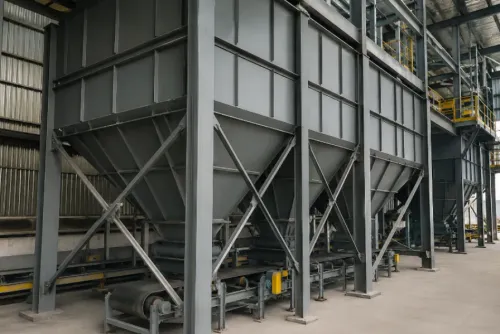
- Supporting structures
- Hoppers
- Ducting interfaces
- Access platforms
- Maintenance requirements
- Discharge arrangements
The objective is to evaluate whether the supplier is considering the complete operating system rather than isolated fabricated components.
Review Design Capability
Industrial plant engineering requires information to flow from process requirements into layouts, equipment drawings, fabrication drawings, and site interfaces.
Before selection, understand who is responsible for each design stage and how drawings will be reviewed and approved.
Clear engineering responsibilities can prevent gaps between the consultant, equipment manufacturer, civil contractor, structural fabricator, and installation team.
Examine Manufacturing Infrastructure
A technically sound design still requires controlled manufacturing.
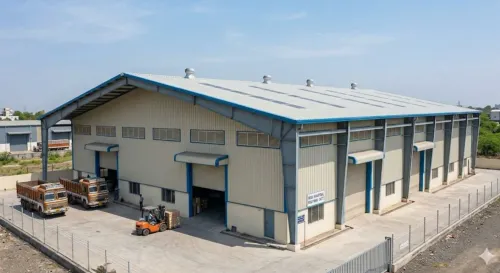
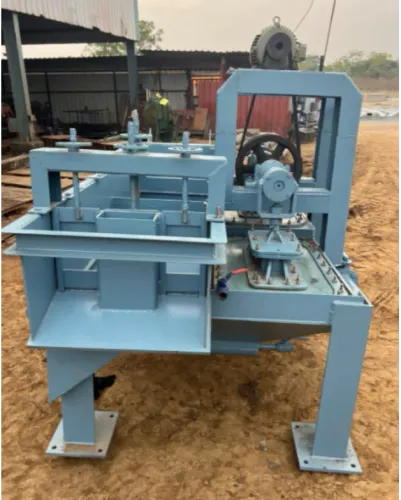
Evaluate whether the proposed manufacturer has appropriate capabilities for the equipment and structural scope involved. Depending on the project, this may include heavy fabrication, machining, welding, assembly, material handling, inspection, and equipment testing.
Workshop capability should match the scale and complexity of the proposed project.
Ask How Quality Will Be Controlled
Procurement teams should establish quality expectations before fabrication starts.
The project documentation may need to define material verification, dimensional inspection, welding requirements, equipment checks, documentation, and any customer or third-party inspection stages relevant to the contract.
A clearly established inspection process reduces uncertainty during manufacturing.
Review Project Coordination Capability
A sinter plant can involve numerous interfaces.
Providers should have a structured method for handling technical queries, drawing revisions, manufacturing schedules, dispatch priorities, and site coordination.
This becomes particularly important when multiple equipment packages must arrive according to an erection sequence.
Consider Logistics From the Beginning
Large fabricated components may require sectional manufacturing for transportation.
For projects in Maharashtra or central India, manufacturing from a strategically located industrial centre such as Nagpur can support regional project execution, but individual transport routes and site-access restrictions still require planning.
Component segmentation should balance workshop efficiency, transportability, and site assembly requirements.
Look for Readiness Beyond the Quotation
A suitable provider should be able to discuss execution, not simply supply a commercial offer.
Ghude Engineering, based in Nagpur, works within heavy engineering, equipment manufacturing, and fabrication, making engineering coordination an important part of discussions for complex industrial requirements.
Before appointing a sinter plant design and manufacturing provider, project teams should confirm that process requirements are sufficiently defined, site data is available, engineering responsibilities are clear, inspection expectations are documented, and project interfaces have been identified.
The strongest selection decision is based on technical alignment and execution capability. When process understanding, design, fabrication, quality control, logistics, and installation planning are considered together, industrial buyers gain a clearer picture of whether a manufacturer is genuinely prepared to support a complex sinter plant project.