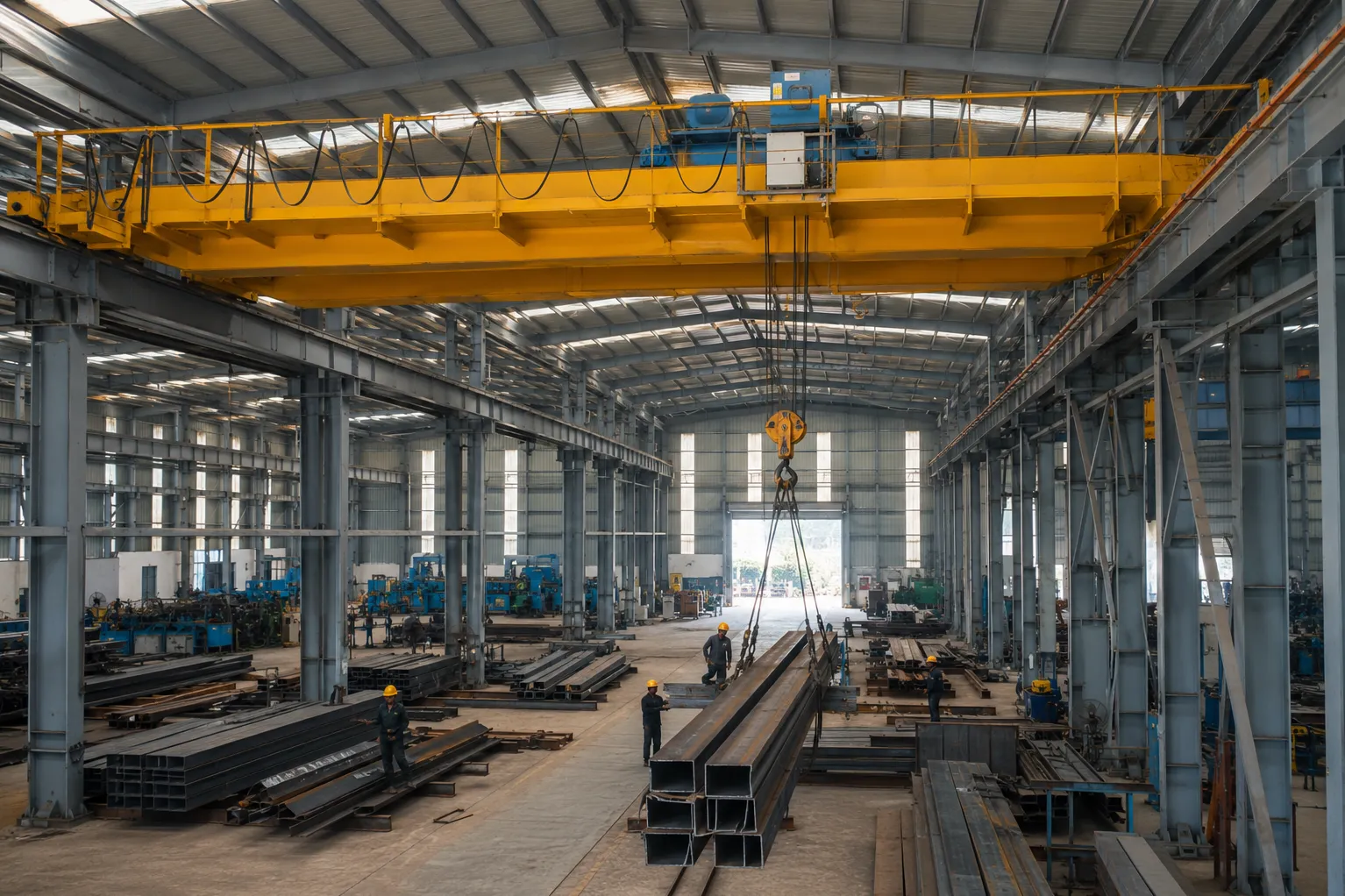
Moving heavy loads safely and efficiently is a fundamental requirement in manufacturing plants, fabrication workshops, warehouses, steel-processing facilities, and engineering units. EOT Cranes are widely used for this purpose because they provide controlled overhead movement without occupying valuable floor space.
An Electric Overhead Travelling crane operates along elevated runway beams installed across a facility. The arrangement allows materials to be lifted vertically and transported horizontally across defined working areas. For industries in Nagpur and other manufacturing regions of Maharashtra, this type of material-handling system can be particularly useful where heavy components need to move repeatedly between production stages.
Where EOT Cranes Are Commonly Used
The suitability of an EOT crane depends on the load, working environment, lifting frequency, and plant layout. Typical applications include:
- Heavy engineering workshops
- Steel fabrication facilities
- Machine shops
- Foundries
- Warehouses
- Assembly units
- Maintenance bays
- Infrastructure fabrication yards
- Equipment manufacturing facilities
For example, a fabrication plant may use an overhead crane to transfer structural components from cutting and welding areas to machining, inspection, or dispatch sections.
Understanding the Main Crane Configurations
EOT cranes are not one-size-fits-all equipment. Different configurations support different operating requirements.
Single-Girder EOT Cranes
A single-girder system uses one main bridge girder. It can be suitable for many moderate lifting requirements where efficient material movement is needed without unnecessarily complex construction.
Double-Girder EOT Cranes
Double-girder configurations use two bridge girders and are generally considered where heavier loads, larger spans, demanding duty cycles, or specific lifting arrangements need to be accommodated.
The appropriate configuration should be determined through engineering calculations rather than selecting equipment solely according to nominal lifting capacity.
Important Factors in Crane Planning
Procurement teams evaluating EOT cranes should look beyond the maximum load figure.
Important parameters include:
- Safe working load: The crane should be engineered for the expected operating load and application.
- Span: Building width and runway arrangement affect the required crane span.
- Lifting height: Adequate vertical clearance is essential for practical material movement.
- Duty cycle: Frequent industrial lifting can require a different crane specification from occasional maintenance use.
- Travel requirements: Hoist, cross-travel, and long-travel speeds should suit the workflow.
- Operating environment: Dust, heat, moisture, and other site conditions can influence equipment design.
- Building compatibility: Runway beams and supporting structures must be considered during planning.
These parameters help ensure that the crane supports actual plant operations rather than becoming an isolated equipment purchase.
Why Plant Layout Matters
An overhead crane interacts directly with the building and production workflow.
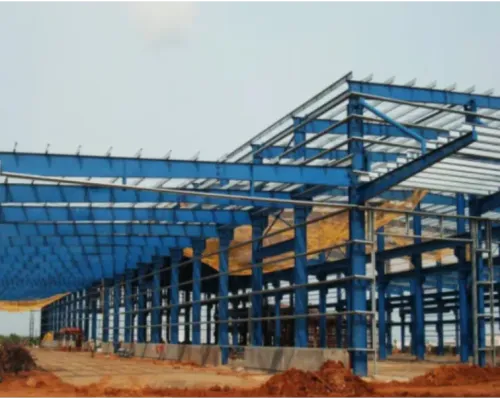
Column positions, machinery locations, storage areas, maintenance access, roof clearance, and material movement routes can all affect crane planning. In an existing Maharashtra manufacturing unit, additional attention may be required to determine whether existing structural provisions are suitable for the intended crane loads.
For new facilities, considering the crane during the building design stage can make equipment integration easier.
Safety Should Begin With Engineering
Safe lifting depends on more than operator skill. Crane design, structural integrity, controls, brakes, electrical systems, inspection access, and operating procedures all contribute to reliable material handling.
Routine inspection and preventive maintenance are also important after commissioning. Components such as wire ropes, hooks, brakes, wheels, electrical panels, limit systems, and runway arrangements should be checked according to applicable maintenance requirements.
Planning for Long-Term Industrial Use
The most suitable EOT crane is not necessarily the system with the highest lifting capacity. It is the one engineered around the plant's actual loads, operating frequency, available space, and production process.
Nagpur's location within Maharashtra makes it relevant to engineering, fabrication, infrastructure, and industrial activity across central India. Companies such as Ghude Engineering work within this heavy-engineering environment, where understanding site conditions and fabrication requirements is important when developing material-handling equipment.
For industrial buyers, defining load characteristics, span, lifting height, operating frequency, and site constraints before equipment design begins can lead to a more practical and dependable EOT crane installation.
Keywords