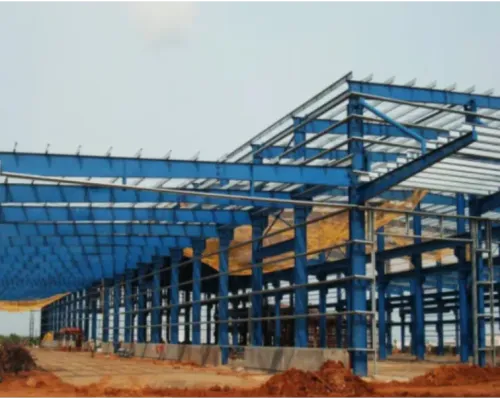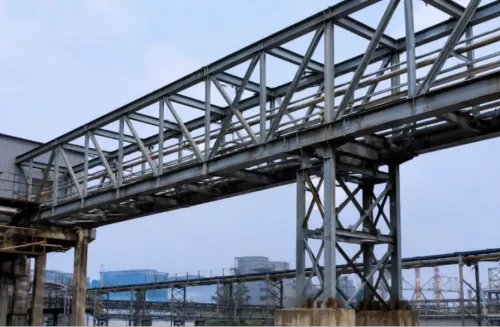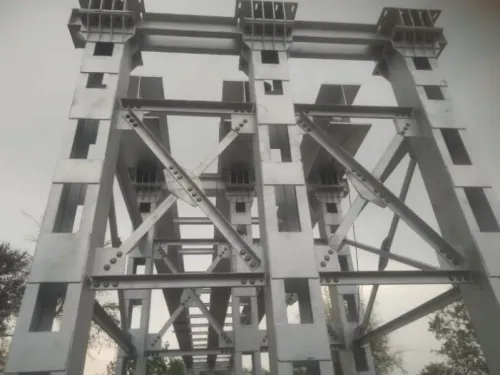
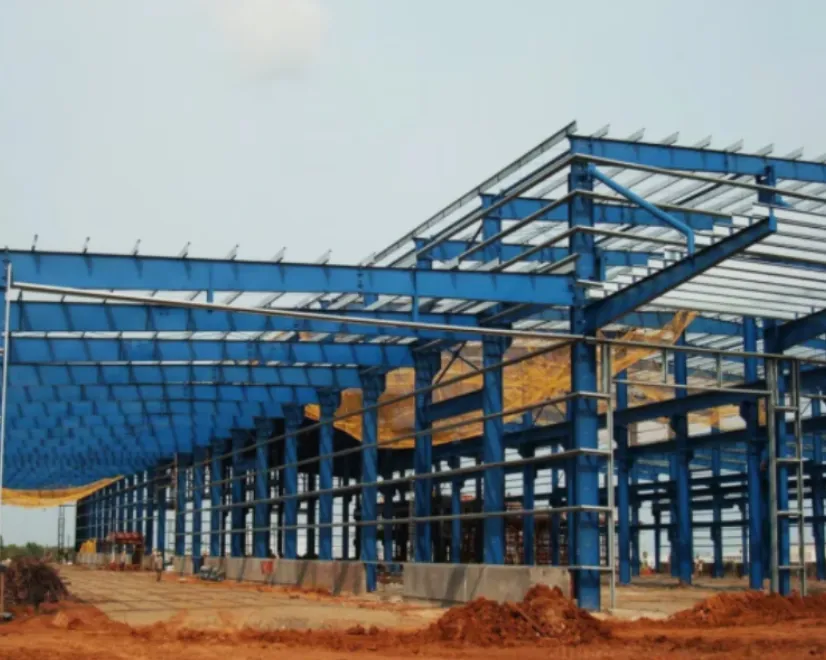
Steel structures form the backbone of modern industrial facilities. From manufacturing plants and warehouses to power stations and infrastructure projects, well-designed mild steel structures provide the strength and stability needed to support heavy equipment, production lines, and daily operations. Selecting the right M S Structures Manufacturer is therefore an important decision that directly affects project quality, safety, and long-term performance.
As industries continue to expand across Nagpur, Maharashtra, businesses are increasingly looking for fabrication partners who can deliver customised structural solutions that meet engineering specifications while ensuring reliable performance in demanding environments.
What Are M S Structures?
Mild steel (M S) structures are fabricated frameworks made from structural steel sections, plates, and components that are assembled to support industrial buildings, machinery, platforms, and various operational systems.
These structures are widely used because they combine strength, flexibility, and ease of fabrication. They can also be customised to suit different industrial layouts, production capacities, and load requirements.
Common examples include:
- Factory structural frames
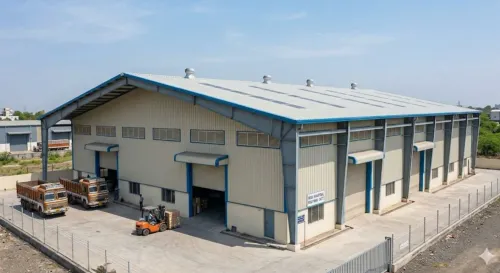
- Warehouse structures
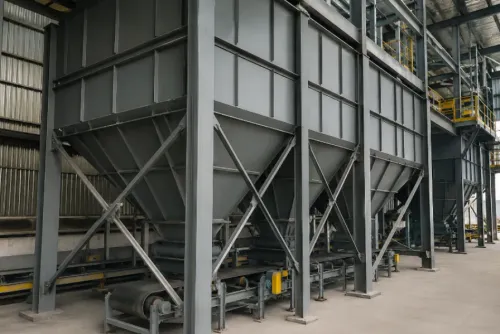
- Equipment support systems
- Pipe rack structures
- Mezzanine floors
- Industrial platforms
- Conveyor support frames
- Roof trusses
- Staircases and access structures
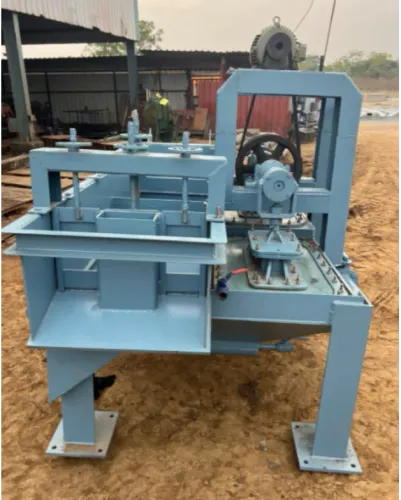
- Heavy fabrication assemblies
Each structure is engineered to perform safely under specific working conditions.
Benefits of Mild Steel Structures
Industrial projects often prefer mild steel because of its versatility and long service life.
Some of its major advantages include:
- High load-bearing capacity
- Excellent fabrication flexibility
- Easy maintenance and repair
- Faster installation
- Cost-effective construction
- Compatibility with customised designs
- Reliable structural performance
These qualities make mild steel suitable for projects ranging from small manufacturing units to large industrial plants.
Factors to Consider When Selecting an M S Structures Manufacturer
Every project has unique engineering and operational requirements. Choosing the right manufacturer involves evaluating several important aspects.
Engineering Expertise
A capable manufacturer should have an experienced engineering team that can design structures based on load calculations, usage requirements, environmental conditions, and applicable standards.
Fabrication Quality
Precision cutting, welding, drilling, and assembly contribute to accurate fitment and long-term structural integrity.
Manufacturing Capacity
The production facility should have adequate infrastructure to handle projects of different sizes while maintaining consistent quality.
Material Standards
Using certified structural steel improves durability, safety, and overall project reliability.
Quality Assurance
Comprehensive inspections throughout fabrication help ensure dimensional accuracy, welding quality, and compliance with project specifications.
Common Applications Across Industries
M S structures are used in a wide range of sectors because of their adaptability and strength.
Industries that commonly use fabricated steel structures include:
- Manufacturing plants
- Cement industries
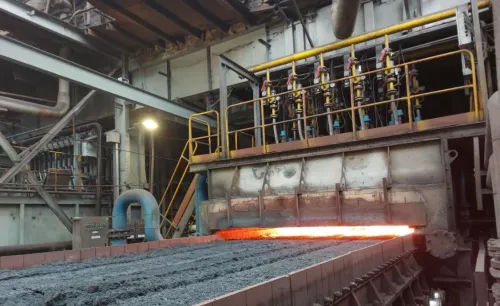
- Steel processing units
- Power generation facilities
- Chemical processing plants
- Mining operations
- Warehousing and logistics
- Infrastructure development
- Food processing industries
- Engineering and EPC projects
Each application requires customised structural designs to support specific operational demands.
Common Mistakes During Procurement
Selecting fabricated structures without proper technical evaluation can lead to installation challenges and increased maintenance costs.
Some mistakes to avoid include:
- Choosing solely based on price
- Ignoring fabrication quality
- Overlooking engineering capabilities
- Not considering future plant expansion
- Failing to review previous project experience
- Ignoring corrosion protection requirements
Taking a structured approach to supplier evaluation helps reduce project risks and improve long-term performance.
Why Custom Fabrication Adds Value
Industrial facilities rarely have identical operational requirements. Custom fabrication allows structures to be designed according to available space, equipment layout, production workflow, and future expansion plans.
The benefits include:
- Efficient use of available space
- Better equipment integration
- Simplified installation
- Improved maintenance accessibility
- Enhanced operational efficiency
- Greater flexibility for future modifications
Custom-engineered structures also reduce the need for costly alterations after installation.
Questions to Ask Before Finalising a Manufacturer
Before selecting a manufacturing partner, businesses should ask a few important questions:
- Can the structure be designed specifically for our project?
- What fabrication standards are followed?
- How is welding quality inspected?
- What corrosion protection methods are available?
- What industries has the manufacturer previously served?
- What quality checks are performed before dispatch?
- Can future expansion be incorporated into the design?
These questions help determine whether the manufacturer has the expertise required for complex industrial projects.
Choosing a Reliable Manufacturing Partner
Selecting an experienced M S Structures Manufacturer requires evaluating engineering capability, fabrication infrastructure, quality control systems, and experience in customised industrial projects. Manufacturers with strong technical knowledge can provide solutions that improve structural performance while supporting efficient project execution.
Ghude Engineering, located in Nagpur, Maharashtra, manufactures heavy engineering equipment and customised steel structures for industrial applications. By combining engineering expertise with precision fabrication, the company develops structural solutions that meet the requirements of manufacturing plants, infrastructure developments, and engineering projects.
A well-fabricated mild steel structure is a long-term investment in operational efficiency, workplace safety, and business growth. Choosing the right manufacturing partner ensures that industrial infrastructure remains strong, dependable, and capable of supporting future expansion.
Keywords