A sinter project can miss its production, quality, emissions, or schedule targets even when the strand itself is correctly manufactured. You will be able to define the full scope, test the feed, compare delivery models, control site execution, and verify performance before accepting the plant.
Key takeaways
- Mark battery limits on the plot plan before sizing equipment.
- Base strand capacity on feed chemistry, permeability, and blast-furnace demand.
- Assign utilities, interfaces, erection, and commissioning responsibilities in writing.
- Tie final payment to measured performance during staged acceptance tests.
Define the Turnkey Scope Before Design Starts
Put the battery limits on a marked plot plan before equipment sizing begins. A complete turnkey sinter plant installation covers the process line and every interface needed to operate it safely, not just the strand.
1. Define the incoming boundary at ore, concentrate, flux, coke breeze, recycled dust, water, power and fuel connections. Include receiving, storage bins, proportioning, weighing, mixing, granulation, ignition, strand, wind boxes, waste-gas main, cleaning, cooler, crushing, screening, product dispatch and return-fines recycling.
2. Include civil works, structural steel, buildings, roads, drainage, laboratories, operator facilities, electrical distribution, instrumentation, automation, fire protection and plant utilities. Treat cooler design and cooler-gas routing as part of the heat-recovery and emissions system; an undersized cooler can restrict screens, conveyors, fans and product discharge.
3. Freeze the design only after representative feed tests and a documented material and heat balance. Record moisture, basicity, FeO target, fuel reactivity, return-fines rate, product yield, dust capture, cooler losses and waste generation.
4. Define delivery records and commissioning stages. Mechanical completion must verify alignment, welds, lubrication, guarding, refractory, cables, calibration and leak tests; cold commissioning then proves motors, fans, feeders, dampers, screens and interlocks without hot feed.
5. Set the contractor’s endpoint as performance acceptance and handover, supported by cause-and-effect matrices, trip lists, loop checks, test certificates, procedures, training and as-built drawings. The owner retains responsibility for feed quality, permanent external supplies, permits and operations after acceptance unless the contract assigns them explicitly.
A turnkey sinter plant for projects fails commercially when these boundaries remain verbal: every excluded conveyor, utility or test becomes a variation order.
Size the Plant From Feed Data and Blast-Furnace Demand
Start with the blast furnace’s required sinter burden, not a nominal strand output. Convert demand into tonnes per hour using planned operating hours, availability, product yield, and the proportion of sinter in the burden; then size the plant for the required product rate and defined surge margin.
1. Establish the feed envelope from representative samples: iron-ore chemistry and size distribution, moisture, flux quality, coke-breeze size and fixed carbon, return-fines percentage, and binder behaviour. Test granulation because unstable granules reduce bed permeability and strand throughput even when strand area appears adequate.
2. Build a documented material and heat balance. Include proportioned feed, moisture loss, ignition-furnace fuel, coke breeze, fluxes, return fines, product yield, cooler losses, dust captured in pollution-control equipment, and waste generation. This balance provides the basis for sizing bins, feeders, fans, screens, conveyors, and dust collectors.
3. Define screening before selecting the crushing and handling equipment. Set the product-size cut, return-fines cut, crusher setting, screen capacity, and conveyor arrangement against blast-furnace requirements. An unsuitable cut increases recycle, overloads proportioning equipment, and reduces effective sinter yield.
4. Put the design basis into the guarantee: wet or dry feed rate, chemistry, size distribution, fuel and flux quality, product-size specification, return-fines rate, operating hours, ambient conditions, emissions test method, and specific power and fuel consumption. A tonnes-per-day promise without these conditions cannot assign responsibility.
Use these inputs to freeze the process design before equipment selection in a sinter plant design and manufacturing project. Recalculate capacity after raw-material testing, not after fabrication starts.
Coordinate Engineering, Manufacture, Utilities, and Site Erection
Freeze the material, heat and utility balances before releasing fabrication. They must cover return fines, cooler losses, dust capture, fuel, moisture and waste; otherwise bins, fans, screens and collectors will not match the process.
1. Issue basic engineering with a battery-limit drawing linking receiving, proportioning, mixing, granulation, ignition, strand, wind boxes, waste-gas main, cooler, crushing, screening, product storage and return-fines recycling.
2. Release detailed engineering for foundations, anchor bolts, embedded plates, cable routes, drainage, roads, buildings and maintenance access. Coordinate civil drawings with equipment loads and steel connection details before concrete placement.
3. Manufacture bins, feeders, screens, crushers, fans, ducts, wind-box supports, strand frames, cooler structures and platforms against approved drawings. Require material certificates, weld maps, dimensional inspection, coating records and factory acceptance tests.
4. Select the governing steel and welding requirements in the purchase specification. Where European practice applies, reference EN 1090 for execution and ISO 3834 for welding quality, including inspection hold points and non-destructive testing.
5. Erect primary steelwork first, then process equipment, ducts, conveyors, platforms and guards. Check survey coordinates, bolt torque, weld repairs, expansion gaps, corrosion allowances and lifting paths before closing access.
6. Install electrical distribution, instrumentation, compressed air, water, fuel, cooling and dust-collection services alongside mechanical erection. Route utilities from a coordinated three-dimensional model, not separate discipline sketches.
7. Record punch-list closure by system, including screen cuts, crusher settings, conveyor tracking, fan rotation, interlocks and alarm tests. The sinter plant turnkey contractor should release each section only after drawings, inspection records and operating documents match the installed plant.
Tie the handover sequence to system boundaries: utilities, raw-material preparation, strand and gas cleaning, cooling, screening and dispatch. This makes mechanical completion traceable and exposes an interface failure before hot operation.
Commission the Plant in Controlled Operating Stages
A complete sinter plant installation should pass six controlled gates, not one start-up event. Separate construction verification from commissioning so an apparently finished plant does not conceal untested trips, permissives, or protective shutdowns.
1. Mechanical completion: Check installation against approved drawings, weld records, alignment, lubrication, guards, refractory condition, cable terminations, instrument calibration, and pressure or leak-test results. Close every punch-list item before energisation.
2. Cold commissioning: Run motors, conveyors, feeders, dampers, fans, screens, valves, and interlocks without hot feed. Confirm rotation, control responses, emergency stops, fire and gas systems, alarm priorities, and cause-and-effect logic.
3. Hot commissioning: Introduce raw materials at a controlled rate, establish bed permeability and ignition, then verify windbox pressure, waste-gas cleaning, cooler operation, product screening, and return-fines flow. Increase throughput in steps while recording strand speed, bed depth, suction, temperatures, CO, dust loading, fan vibration, and conveyor loads.
4. Performance testing: Use an agreed test basis covering wet or dry feed, ore chemistry and size, fuel and flux quality, product-size limits, return-fines rate, operating hours, ambient conditions, and specific energy consumption. A tonnes-per-day result alone proves little.
5. Emissions verification: Measure stack particulate, CO, SO2, and NOx using the contract method at defined loads. Include cooler-gas routing, fan power, dust loading, and heat-recovery results.
6. Operator handover: Deliver calibrated records, loop checks, procedures, alarm lists, maintenance schedules, as-built drawings, training, and signed acceptance certificates.
Choose the Delivery Partner and Lock Down Acceptance Terms
A tonnes-per-day promise is not enough to select a partner. Compare who owns the interfaces between receiving, proportioning, granulation, ignition, strand, cooler, screening, return fines, waste-gas cleaning, utilities, automation, and dispatch.
| Delivery model | Accountability | Commercial exposure | Best fit |
|---|---|---|---|
| Turnkey contractor | One party coordinates design, supply, erection, commissioning, and performance | One contract, but inspect exclusions and change-order rules | An owner seeking a single point of responsibility |
| Separate suppliers | Owner manages interfaces, schedules, and technical conflicts | Lower package price can become higher coordination and delay risk | An experienced owner with strong in-house engineering |
A sinter plant turnkey contractor must base its offer on representative ore, concentrate, dust, flux, and coke-breeze tests. Freeze the material and heat balance before pricing equipment, including moisture loss, return fines, captured dust, cooler losses, product yield, and waste.
Treat cooler sizing and cooler-gas routing as part of the strand, emissions, and energy balance, not as an independent package.
Put these terms in the contract:
- Battery limits, supplied documents, civil works, utilities, spares, training, and exclusions
- Milestone payments tied to drawings, factory tests, mechanical completion, cold commissioning, and accepted performance
- A change-order process requiring written scope, price, and schedule impact before work starts
- Performance tests stating wet or dry feed rate, chemistry, size distribution, fuel and flux quality, product size, return-fines rate, operating hours, ambient conditions, emissions method, electrical and fuel consumption, and permitted exclusions
- Retention, warranty response times, liquidated damages, and repeat-test rights
Use independent test records and signed punch-list closure for acceptance. Ghude Engineering can be assessed on the same evidence: interface matrix, balance, test protocol, and closed defects.
Related product
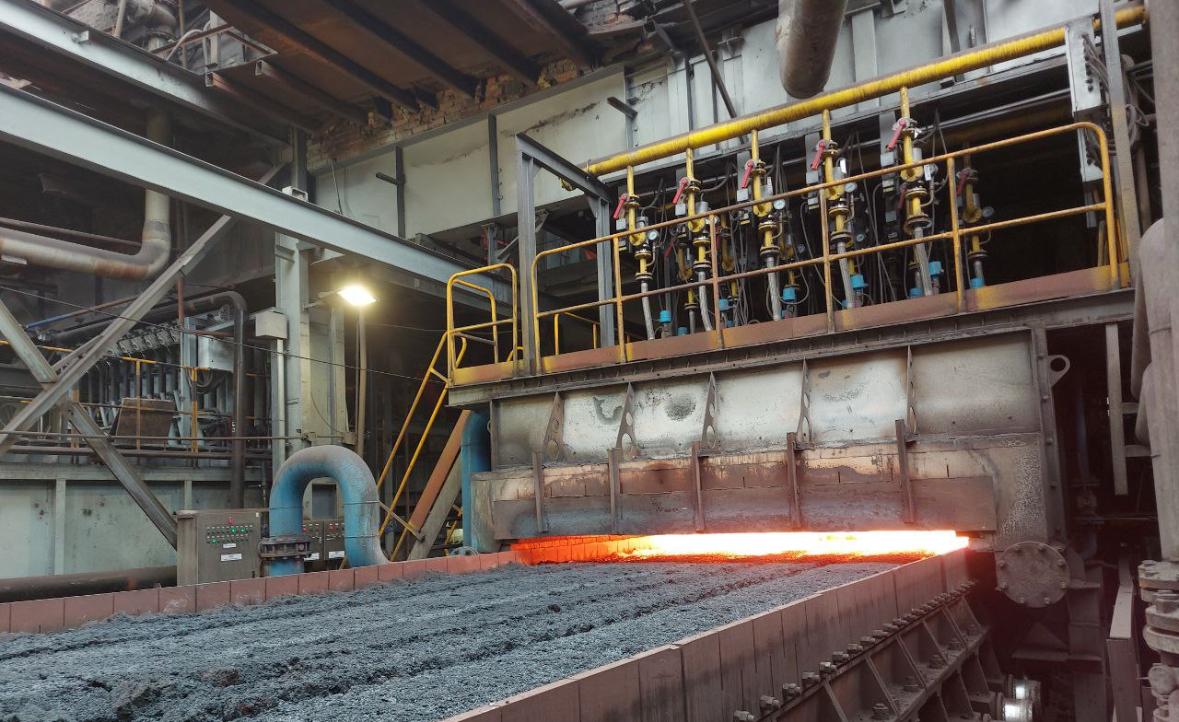 | Sinter Plant A sinter plant is a crucial facility in the steelmaking industry that converts fine iron ore dust—along with flux materials and metallurgical... View product → |
Frequently asked questions
What belongs in the scope of a turnkey sinter plant project?
The scope should cover the process line, raw-material handling, sinter cooling and screening, gas cleaning, utilities, controls, electrical systems, safety systems, civil works, erection, commissioning, and every defined battery-limit interface.
How do you size a sinter plant for blast-furnace demand?
Use forecast blast-furnace burden requirements together with feed rate, ore chemistry, moisture, fuel rate, return fines, bed permeability, strand area, operating hours, and planned maintenance availability.
How should a sinter plant turnkey contractor coordinate delivery?
Use one integrated responsibility matrix covering engineering, equipment manufacture, inspection, civil interfaces, logistics, site erection, utilities, controls, cold testing, hot commissioning, training, and handover documents.
Which acceptance terms should a sinter plant design and manufacturing project include?
Define measurable tests for production rate, sinter quality, fuel consumption, emission performance, equipment availability, electrical load, safety functions, spares, documentation, and operator training before contract award.
Keywords