Industrial projects often require specialised fabricated equipment that can perform reliably under demanding operating conditions. When sourcing process equipment, storage systems, or structural fabrication, selecting the right FOB Manufacturer is an important step in ensuring project quality, operational efficiency, and long-term performance. While technical specifications may vary from one industry to another, evaluating a manufacturer's capabilities before placing an order helps minimize project risks and delays.
For industries across Nagpur, Maharashtra, where heavy engineering and infrastructure projects continue to expand, understanding the key factors involved in manufacturer selection can lead to better procurement decisions and smoother project execution.
Understanding the Importance of Precision Fabrication
Fabricated industrial equipment is expected to withstand continuous operation, heavy loads, and challenging environmental conditions. Even minor deviations during manufacturing can affect installation, safety, or equipment performance.
A reliable manufacturer focuses on:
- Accurate engineering drawings
- Precision fabrication
- Quality raw materials
- Consistent welding standards
- Dimensional accuracy
- Thorough inspection before dispatch
These practices help ensure that fabricated equipment integrates seamlessly into industrial operations.
Why Manufacturer Experience Matters
Every industrial project comes with unique technical requirements. Manufacturers with experience across multiple industries are generally better equipped to understand project specifications and recommend practical fabrication solutions.
Experienced manufacturers often work with sectors such as:
- Steel plants
- Cement industries
- Power generation
- Chemical processing
- Mining operations
- Infrastructure projects
- Manufacturing facilities
- Engineering contractors
Exposure to different industries allows them to address application-specific challenges more effectively.
Key Factors to Evaluate Before Choosing an FOB Manufacturer
A structured evaluation process helps buyers compare manufacturers beyond pricing alone.
Engineering Capabilities
The manufacturer should have an in-house engineering team capable of interpreting technical drawings, suggesting design improvements where appropriate, and ensuring that fabricated components meet project specifications.
Manufacturing Infrastructure
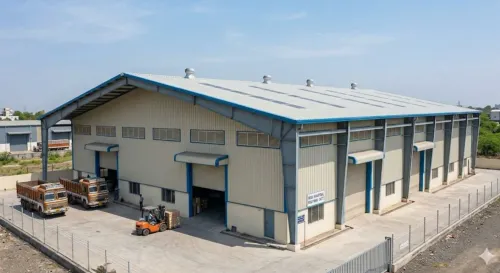
Modern fabrication facilities equipped with CNC cutting machines, bending equipment, precision welding systems, and heavy-duty handling equipment generally produce more consistent results.
Material Selection
The quality of steel and other construction materials directly affects the durability and structural integrity of industrial equipment. Reputable manufacturers source materials that comply with recognised engineering standards.
Quality Assurance
A comprehensive quality control process should include inspections during every stage of production rather than only after fabrication is complete.
Delivery Capability
Timely delivery is essential for industrial projects where fabrication delays can impact construction schedules and commissioning timelines.
Questions Buyers Should Ask
Before finalising a manufacturing partner, procurement teams should seek clear answers to a few important questions:
- Can the equipment be customized for project-specific requirements?
- What quality inspection methods are followed?
- Has the manufacturer completed similar industrial projects?
- What fabrication standards are maintained?
- How is dimensional accuracy verified?
- What support is available during installation if required?
- How are production timelines managed?
These discussions help buyers assess technical competence as well as project management capabilities.
Common Procurement Mistakes to Avoid
Industrial equipment is often expected to operate for many years. Selecting a manufacturer without proper evaluation can lead to avoidable operational issues.
Common mistakes include:
- Choosing only the lowest quotation
- Ignoring fabrication quality
- Overlooking production capacity
- Not reviewing previous project experience
- Failing to verify engineering expertise
- Neglecting after-delivery technical support
Careful planning during procurement helps prevent additional costs later in the project lifecycle.
The Value of Customised Fabrication
Many industrial projects require equipment designed specifically for available plant space, production capacity, or operational requirements. Standard fabrication may not always provide the best solution.
Custom fabrication offers several advantages:
- Better equipment integration
- Improved operational efficiency
- Optimised use of plant space
- Easier maintenance access
- Enhanced structural performance
- Flexibility for future modifications
This approach enables businesses to build systems that meet both current and future operational needs.
Industrial Growth Driving Demand
As manufacturing and infrastructure development continue across Maharashtra, demand for high-quality fabricated equipment is steadily increasing. Industrial areas around Nagpur support projects in engineering, steel processing, construction, energy, and manufacturing, all of which require dependable fabrication partners.
Businesses are increasingly prioritising manufacturers that combine engineering expertise with advanced production capabilities and rigorous quality control.
Choosing a Reliable Manufacturing Partner
Selecting the right FOB Manufacturer involves evaluating engineering knowledge, fabrication infrastructure, quality assurance systems, project experience, and the ability to deliver customised solutions. Buyers should also consider the manufacturer's reputation for meeting deadlines and maintaining consistent production standards.
Ghude Engineering, located in Nagpur, Maharashtra, manufactures heavy engineering equipment and fabricated industrial solutions for a variety of industrial applications. With experience in custom engineering and precision fabrication, the company develops equipment designed to meet project-specific operational requirements while maintaining high manufacturing standards.
Choosing the right fabrication partner is not simply a procurement decisionit is an investment in project reliability, operational efficiency, and long-term industrial performance. Careful evaluation at the beginning of a project can help ensure smoother execution and dependable equipment for years to come.
Keywords