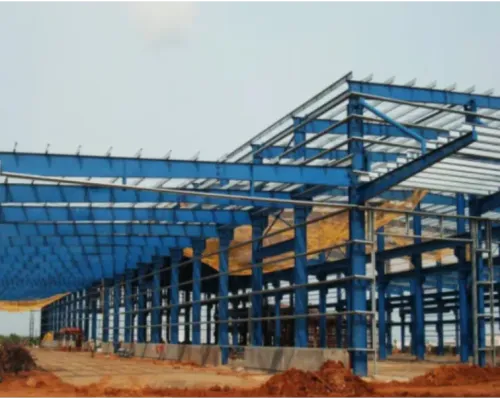
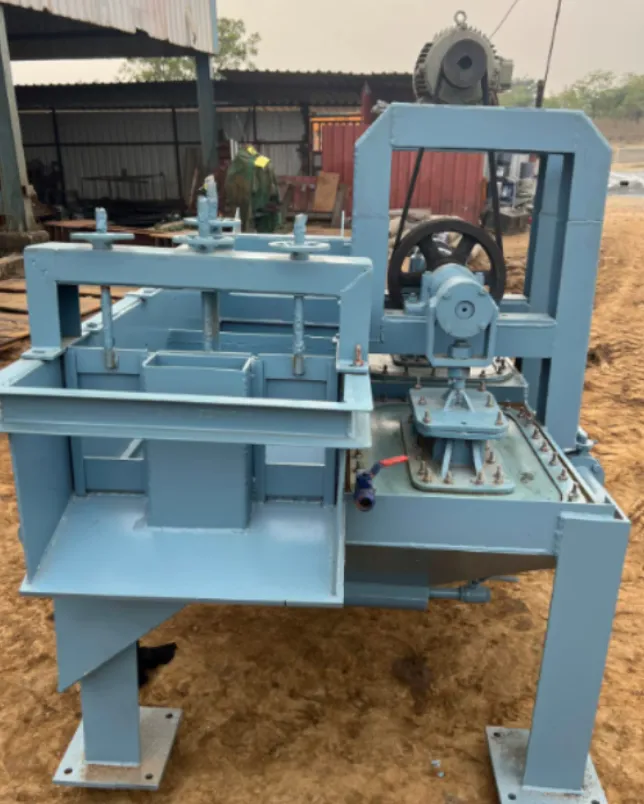
As manufacturing industries continue to improve productivity and reduce manual intervention, the demand for Special Purpose Machines (SPMs) has grown significantly. Unlike standard production equipment, SPMs are designed to perform specific manufacturing operations with greater accuracy, speed, and consistency. Choosing the right SPM Manufacturer is therefore a critical decision for businesses looking to enhance production efficiency and achieve long-term operational benefits.
For industries across Nagpur, Maharashtra, including automotive, heavy engineering, fabrication, electronics, and process manufacturing, investing in a well-designed Special Purpose Machine can streamline production while improving product quality.
What Is a Special Purpose Machine?
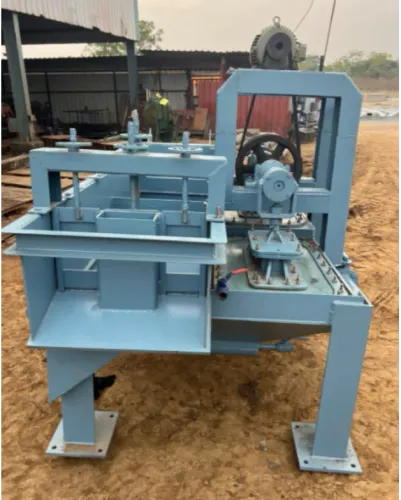
A Special Purpose Machine (SPM) is a customised industrial machine developed to perform a dedicated manufacturing task. These machines are engineered according to the customer's production process, product specifications, and operational requirements.
Unlike conventional machines that perform multiple general-purpose operations, SPMs are designed to optimize one or more specific processes, making them highly efficient for repetitive manufacturing tasks.
SPMs are commonly used for:
- Assembly operations
- Drilling and tapping
- Welding applications
- Material handling
- Inspection systems
- Pressing operations
- Component testing
- Packaging processes
- Automated production lines
- Precision machining applications
Each machine is developed to match the exact needs of the manufacturing environment.
Benefits of Investing in an SPM
Businesses often choose Special Purpose Machines because they improve productivity while reducing operational challenges.
Some key advantages include:
- Increased production speed
- Improved process consistency
- Reduced manual handling
- Higher product accuracy
- Better workplace safety
- Lower production errors
- Enhanced operational efficiency
These benefits help manufacturers maintain consistent product quality while improving overall plant performance.
Factors to Consider Before Choosing an SPM Manufacturer
Since every manufacturing process is unique, selecting the right manufacturer requires careful evaluation.
Engineering Expertise
The manufacturer should have the capability to understand production challenges and develop practical automation solutions tailored to specific operational requirements.
Design Customisation
An effective SPM should be designed around the customer's workflow, production capacity, available floor space, and future expansion plans.
Manufacturing Infrastructure
Modern fabrication and machining facilities contribute to better component accuracy and reliable machine performance.
Automation Integration
Many SPMs need to integrate with conveyors, robotic systems, PLC controls, sensors, and existing production equipment. Compatibility should be considered during the design phase.
Quality Assurance
Each machine should undergo testing and performance verification before delivery to ensure reliable operation under actual production conditions.
Industries That Commonly Use SPMs
Special Purpose Machines are widely adopted across multiple industries.
Some common sectors include:
- Automotive manufacturing
- Heavy engineering
- Steel fabrication
- Electrical equipment manufacturing
- Packaging industries
- Pharmaceutical production
- Food processing
- Textile manufacturing
- Consumer goods manufacturing
- Infrastructure component production
Each industry requires machines designed according to its production methods and quality standards.
Common Mistakes During Procurement
Purchasing an SPM without detailed planning can result in equipment that does not fully support production goals.
Businesses should avoid:
- Choosing based only on purchase price
- Ignoring future production requirements
- Selecting standard machines for specialised processes
- Overlooking maintenance accessibility
- Failing to evaluate technical support
- Not reviewing previous automation projects
A comprehensive evaluation helps ensure that the machine delivers long-term value.
Questions to Ask Before Finalising an SPM Manufacturer
Industrial buyers should discuss technical capabilities before placing an order.
Useful questions include:
- Can the machine be fully customised?
- How is production efficiency evaluated during design?
- What automation technologies are integrated?
- What testing procedures are followed before delivery?
- Can the machine support future production expansion?
- What maintenance support is available?
- Has the manufacturer completed similar projects?
These questions help businesses assess the manufacturer's ability to deliver reliable automation solutions.
Why Custom Engineering Is Important
Every production facility has unique workflows, product dimensions, cycle times, and operational challenges. Custom engineering allows manufacturers to develop machines that integrate seamlessly into existing production systems.
A customised SPM offers:
- Better production flow
- Reduced downtime
- Improved product consistency
- Easier operator training
- Greater flexibility for future upgrades
- Higher return on investment over time
This makes customised automation a practical solution for manufacturers focused on long-term productivity.
Choosing the Right Manufacturing Partner
Selecting an experienced SPM Manufacturer involves evaluating engineering capabilities, design expertise, manufacturing infrastructure, quality control processes, and after-sales support. Businesses should work with manufacturers that understand industrial automation and can develop solutions aligned with operational objectives.
Ghude Engineering, based in Nagpur, Maharashtra, manufactures heavy engineering equipment and customised industrial solutions for a variety of manufacturing applications. Its engineering team focuses on developing precision-fabricated equipment designed to meet specific industrial requirements while supporting efficient production processes.
A well-designed Special Purpose Machine is more than a piece of equipment; it is a strategic investment that enhances productivity, improves quality, and supports sustainable manufacturing growth. Choosing the right manufacturing partner ensures that automation delivers measurable operational benefits for years to come.
Keywords