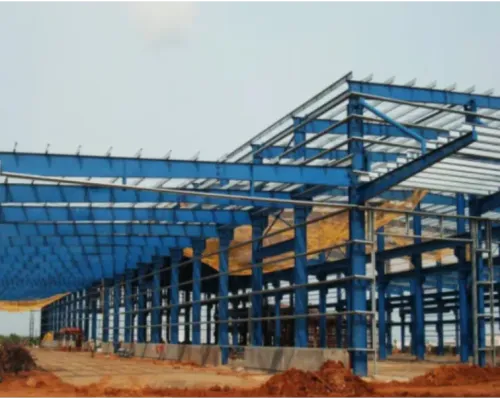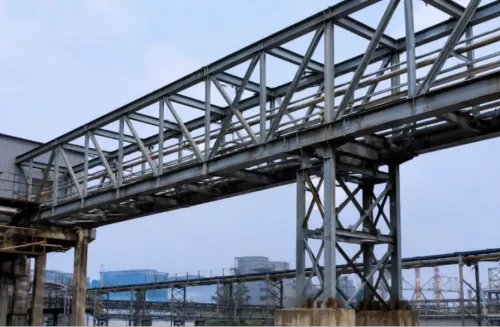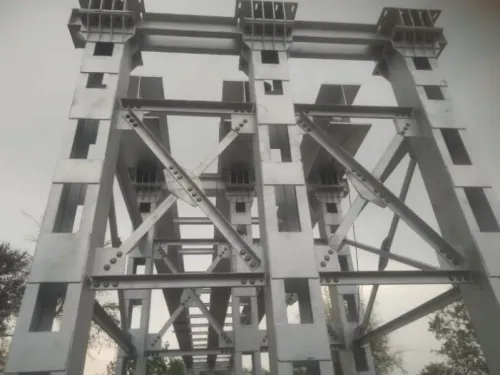
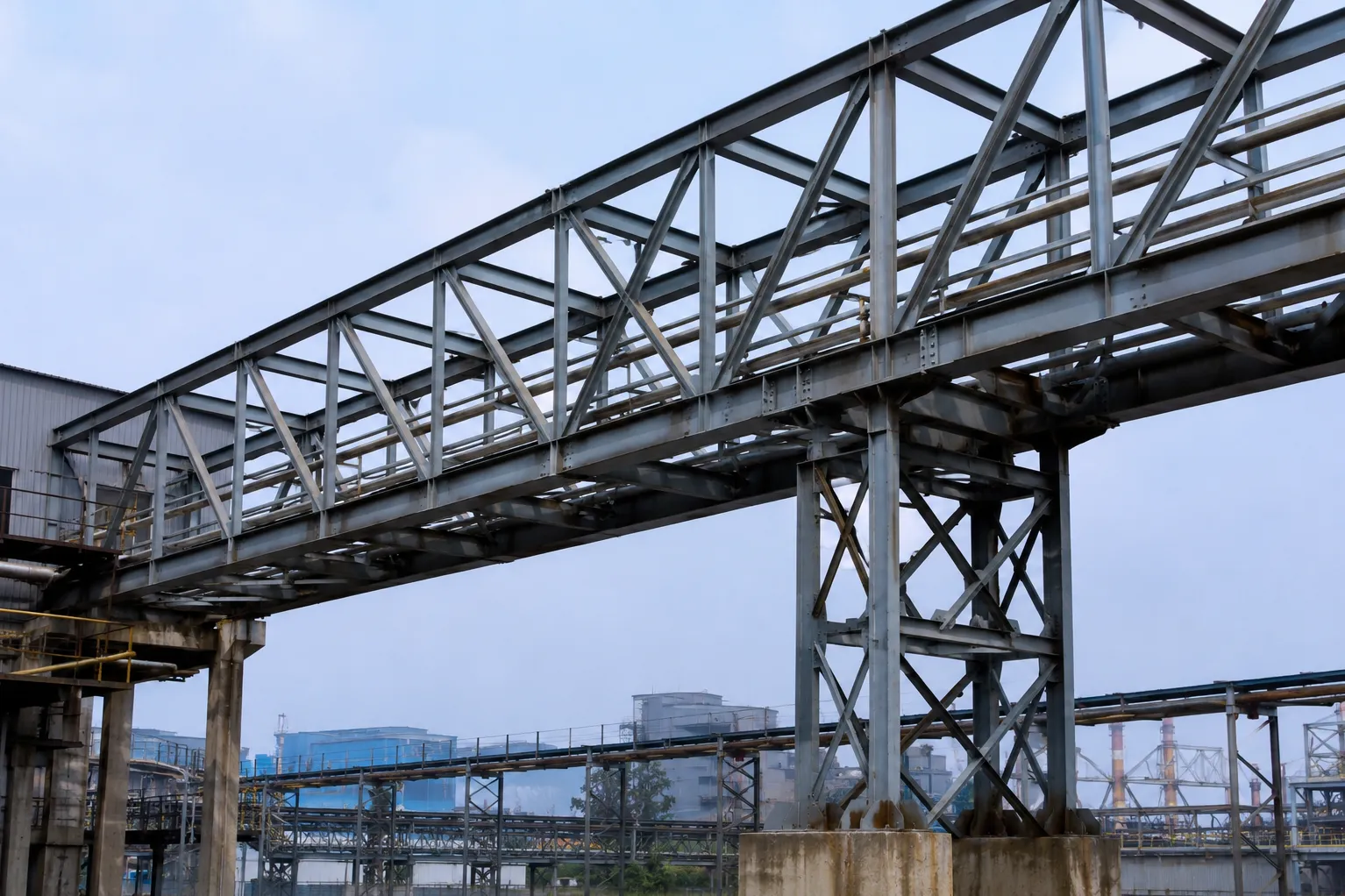
Industrial bridge structures play an important role in connecting production areas, supporting material movement, and providing safe access within manufacturing plants, infrastructure projects, and heavy engineering facilities. Whether used for pedestrian access, utility crossings, conveyor systems, or industrial transport, choosing the right M S Bridges Manufacturer is essential for ensuring structural strength, durability, and long-term reliability.
With industrial expansion continuing across Nagpur, Maharashtra, businesses are increasingly investing in custom-fabricated mild steel bridge structures that meet specific operational and engineering requirements.
Why Mild Steel Is Widely Used for Industrial Bridges
Mild steel remains one of the most preferred materials for industrial bridge fabrication because of its excellent balance of strength, flexibility, and fabrication ease. It is suitable for a variety of structural applications and can be customized to accommodate different load capacities and project conditions.
Some key advantages of mild steel include:
- High structural strength
- Good weldability
- Easy fabrication and modification
- Cost-effective construction
- Reliable load-bearing capability
- Long service life with proper protection
- Compatibility with customised designs
These characteristics make mild steel bridges suitable for industrial environments where dependable structural performance is essential.
Common Applications of M S Bridges
Industrial bridge structures are designed for a wide range of operational requirements.
Typical applications include:
- Conveyor bridge systems
- Pipe rack crossings
- Utility bridges
- Maintenance access bridges
- Industrial pedestrian bridges
- Material transfer bridges
- Plant connectivity structures
- Infrastructure support bridges
- Equipment access platforms
- Factory internal bridge systems
Each project requires a bridge designed according to load requirements, span length, operating conditions, and available installation space.
Important Factors to Consider Before Selecting a Manufacturer
Every industrial bridge is unique. Choosing the right manufacturing partner requires careful evaluation of both engineering expertise and fabrication quality.
Structural Design Capability
The manufacturer should be able to develop bridge designs based on project-specific load calculations, span requirements, environmental conditions, and applicable engineering standards.
Fabrication Accuracy
Precision cutting, welding, drilling, and assembly help ensure proper alignment during installation and reduce the need for on-site modifications.
Material Quality
Using certified structural steel improves the bridge's ability to withstand continuous loading and demanding operating environments.
Surface Protection
Industrial bridges are often exposed to moisture, dust, chemicals, and changing weather conditions. Protective coatings help extend structural life and reduce maintenance.
Quality Inspection
Reliable manufacturers perform inspections throughout fabrication to verify welding quality, dimensions, structural integrity, and overall workmanship before delivery.
Benefits of Custom Fabricated M S Bridges
Custom fabrication allows industrial bridge systems to be designed around the exact operational requirements of a facility.
Some advantages include:
- Better utilisation of available space
- Improved compatibility with existing infrastructure
- Optimised load distribution
- Easier equipment access
- Simplified maintenance planning
- Flexibility for future plant expansion
Custom-designed structures often provide better long-term value than standard prefabricated alternatives.
Common Procurement Mistakes to Avoid
Selecting bridge fabrication based solely on price can result in costly operational challenges later.
Businesses should avoid:
- Ignoring structural engineering expertise
- Choosing inadequate load capacity
- Overlooking corrosion protection
- Failing to review fabrication standards
- Not considering future expansion requirements
- Selecting manufacturers without relevant industrial experience
Careful planning during procurement reduces project risks and improves long-term structural performance.
Questions to Ask Before Finalising a Manufacturer
Before awarding a project, procurement teams should clarify several important points.
Consider asking:
- Can the bridge be customized for our facility layout?
- What engineering standards are followed?
- How is welding quality verified?
- What protective coatings are recommended?
- Has the manufacturer completed similar industrial projects?
- How are structural load calculations performed?
- What quality inspections are carried out before dispatch?
The answers help determine whether the manufacturer has the technical capability to deliver a reliable solution.
Growing Demand for Industrial Bridge Structures
Manufacturing growth across Maharashtra has increased the demand for heavy-duty structural fabrication that supports expanding industrial infrastructure. Facilities in sectors such as engineering, power generation, mining, logistics, and construction require bridge systems capable of handling demanding operational conditions while maintaining safety and structural stability.
This growing demand has also encouraged greater emphasis on precision engineering, quality fabrication, and customised structural solutions.
Choosing the Right Manufacturing Partner
Selecting the right M S Bridges Manufacturer involves assessing engineering expertise, fabrication infrastructure, quality assurance systems, and experience with industrial structural projects. Buyers should look for manufacturers capable of delivering customised bridge solutions that align with operational requirements and project timelines.
Ghude Engineering, based in Nagpur, Maharashtra, manufactures heavy engineering equipment and structural fabrication solutions for industrial applications. Its expertise in customised steel fabrication enables the company to develop bridge structures that support efficient plant operations while meeting project-specific engineering requirements.
A well-engineered mild steel bridge is more than a structural connection it is an essential part of industrial infrastructure that contributes to operational efficiency, workplace safety, and long-term reliability. Investing in quality fabrication helps businesses build structures that continue to perform effectively for years to come.
Keywords