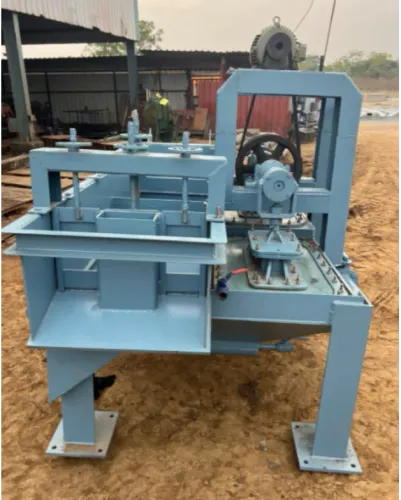
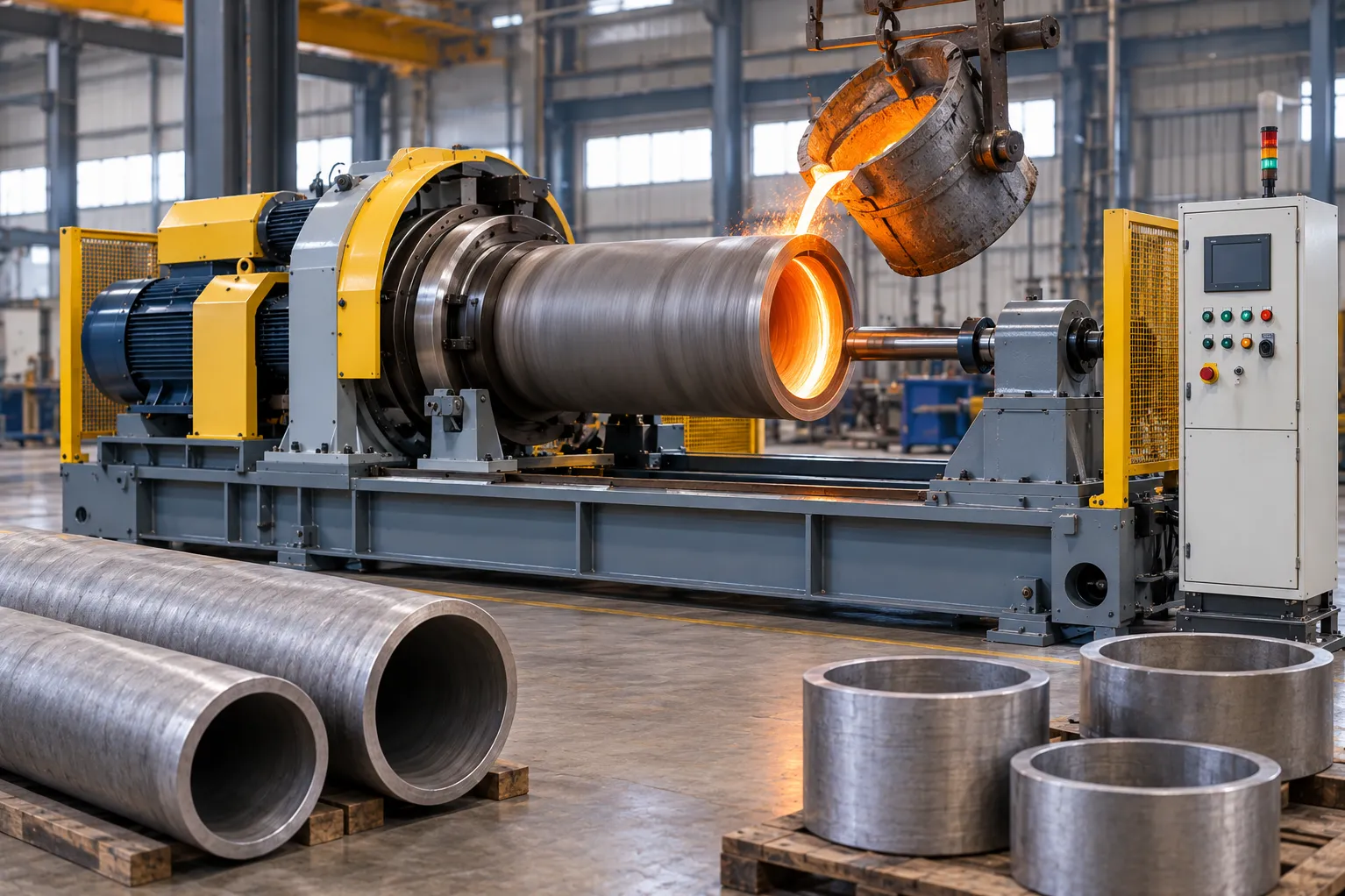
Purchasing a centrifugal casting machine is a technical investment rather than a routine machinery order. The equipment must support the intended casting geometry, production volume, material requirements, operating conditions, and quality expectations. This makes the evaluation of Centrifugal Casting Machine Manufacturers an important procurement exercise.
A supplier should be assessed on its ability to understand the process requirement and translate it into a practical machine configuration.
Start With the Casting Requirement
Before comparing manufacturers, define what the machine must produce.
Procurement and production teams should document:
- Casting dimensions
- Material being cast
- Required production capacity
- Operating cycle
- Expected dimensional consistency
- Mould requirements
- Available utilities
- Plant space
- Loading and unloading method
- Automation expectations
Without this information, quotations from different manufacturers may represent significantly different machine configurations.
Examine Engineering Capability
A manufacturer should be able to discuss why particular machine parameters have been selected.
The conversation should go beyond machine dimensions and motor ratings. Engineering teams may need to evaluate rotational requirements, drive arrangement, machine rigidity, bearing configuration, guarding, controls, and production workflow.
For customized applications, the ability to interpret customer drawings and process requirements becomes particularly important.
Look at Fabrication Quality
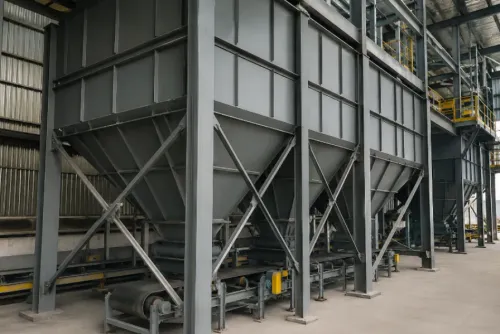
Centrifugal casting equipment can involve rotating assemblies operating under demanding conditions. Structural integrity and fabrication quality therefore matter.
During supplier evaluation, consider how the manufacturer approaches:
- Material selection
- Structural fabrication
- Machining
- Welding
- Alignment
- Assembly
- Inspection
- Testing
Heavy-duty machinery should be manufactured with attention to both dimensional accuracy and structural performance.
Compare Maintainability
A machine that performs well but is difficult to maintain can create unnecessary production interruptions.
Ask practical questions about access to bearings, drive components, controls, mould areas, and wear components. Determine whether routine inspection can be completed without extensive dismantling.
Also understand which components are standard and which are specially manufactured. This can influence future maintenance planning.
Review Safety Provisions
Rotating industrial machinery requires careful safety planning.
Guarding, access restrictions, emergency controls, electrical protection, operating procedures, and other safeguards should be considered according to the machine configuration and application.
Safety should be part of the initial engineering discussion rather than something added after the machine has been manufactured.
Assess Customization Capability
Standard machinery may not suit every casting operation.
An experienced engineering manufacturer should be able to determine which aspects can be customized without compromising machine reliability. Custom requirements might involve dimensions, loading arrangements, controls, production handling, structural configuration, or integration with surrounding equipment.
For engineering companies and foundry operations in Maharashtra, access to a manufacturer capable of discussing these requirements directly can simplify technical coordination.
Consider Location and Project Support
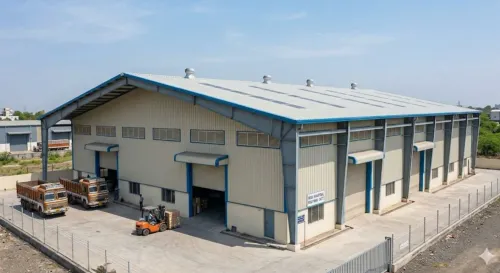
Nagpur is positioned to serve industrial projects across Maharashtra and central India. For large custom-built equipment, regional manufacturing capability can be useful for design reviews, fabrication inspections, transportation planning, installation coordination, and technical discussions.
Ghude Engineering operates in Nagpur's heavy-engineering sector and provides customized fabrication and machinery solutions for industrial requirements.
Choose Based on Engineering Fit
Price deserves consideration, but a centrifugal casting machine should not be evaluated on purchase cost alone.
A stronger supplier assessment considers whether the proposed machine fits the product, production process, plant layout, maintenance strategy, and long-term operational requirement.
Request clear technical documentation, establish responsibilities before manufacturing begins, and resolve uncertainties at the drawing stage.
When manufacturers are evaluated through these criteria, procurement teams can compare proposals based on engineering substance rather than simply comparing equipment descriptions and commercial figures.
Keywords