Industrial manufacturers are constantly looking for ways to improve product quality, reduce material waste, and increase production efficiency. One of the technologies that has transformed metal component manufacturing is centrifugal casting. Businesses searching for reliable Centrifugal Casting Machine Manufacturers are often looking for equipment that can consistently produce high-quality cylindrical components while maintaining productivity and minimizing defects.
For industries across Nagpur, Maharashtra, and other manufacturing hubs, understanding how centrifugal casting machines work and where they are best applied can help businesses make informed investment decisions for long-term production success.
What Is a Centrifugal Casting Machine?
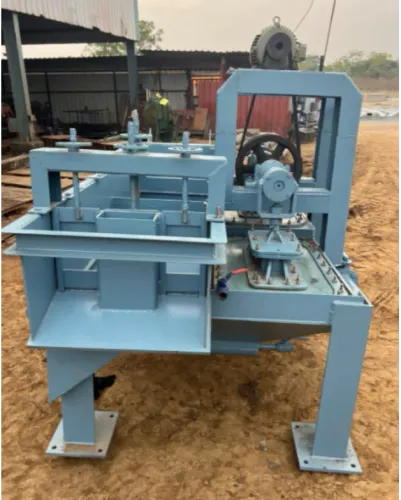
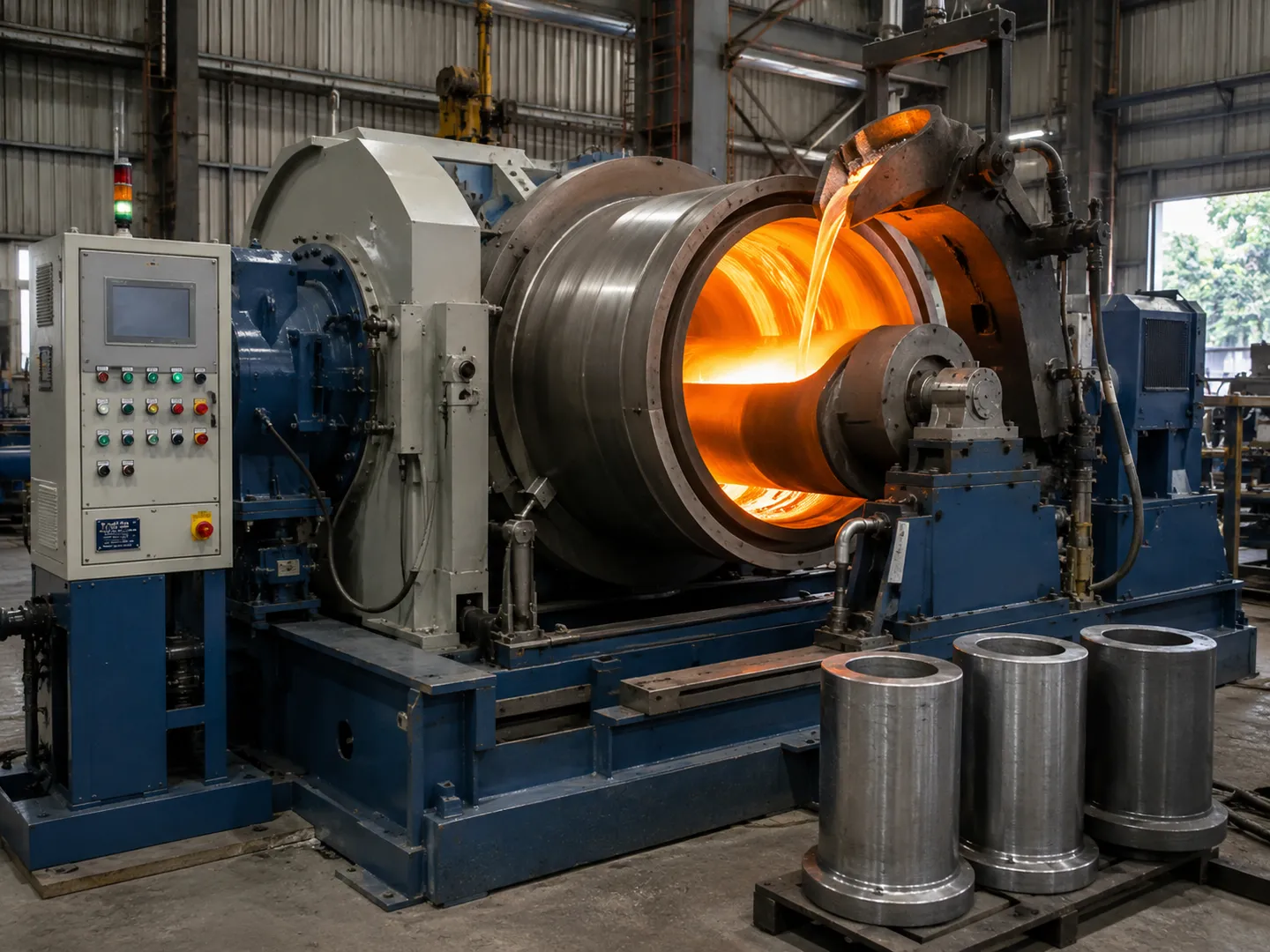
A centrifugal casting machine is industrial equipment designed to manufacture hollow cylindrical metal components by rotating a mould at high speed while molten metal is poured into it. The centrifugal force distributes the molten metal evenly along the mould walls, producing dense, defect-resistant castings with excellent mechanical properties.
Unlike conventional casting methods, this process naturally separates impurities toward the inner surface, allowing manufacturers to machine them away after casting. The result is a stronger and more uniform finished product.
Industries That Depend on Centrifugal Casting
Many industries rely on centrifugal casting because of its ability to produce durable components with precise dimensions. Common applications include:
- Steel and rolling mills
- Cement manufacturing plants
- Mining equipment
- Oil and gas industries
- Power generation facilities
- Chemical processing plants
- Heavy engineering companies
- Infrastructure projects
These industries require components capable of operating under high temperatures, heavy loads, and demanding working conditions.
How the Manufacturing Process Works
Although the process appears straightforward, producing consistent castings requires careful control of several parameters.
The general process includes:
- Preparing and coating the mould
- Heating the mould to the required temperature
- Rotating the mould at controlled speed
- Pouring molten metal into the spinning mould
- Allowing the casting to solidify evenly
- Removing the casting
- Machining and finishing the component
- Inspecting for dimensional accuracy and quality
Each stage directly affects the final product's strength, surface finish, and durability.
Advantages of Using Centrifugal Casting Machines
Manufacturers choose centrifugal casting for several reasons beyond productivity.
Superior Material Density
The spinning action compresses molten metal against the mould wall, reducing internal porosity and creating a dense, high-strength structure.
Better Mechanical Properties
Components manufactured through centrifugal casting generally exhibit improved tensile strength, wear resistance, and longer operational life.
Reduced Material Waste
Since the process forms hollow parts directly, less material is wasted compared to machining solid blocks into finished components.
Consistent Product Quality
Controlled rotation and uniform metal distribution help achieve consistent wall thickness and dimensional accuracy across production batches.
Lower Defect Rates
Gas pockets, shrinkage cavities, and inclusions are significantly reduced when process parameters are properly maintained.
Features to Evaluate Before Choosing a Machine
Industrial buyers should look beyond production capacity when comparing centrifugal casting machines.
Some important considerations include:
- Machine size compatibility
- Rotational speed control
- Automation capabilities
- Energy efficiency
- Mould compatibility
- Safety systems
- Ease of maintenance
- Spare parts availability
- Technical support
- Long-term reliability
A machine that performs efficiently over many years often provides greater value than one selected solely on its initial purchase price.
Common Components Produced
Centrifugal casting supports the production of a wide range of industrial components, including:
- Bushes
- Sleeves
- Bearing rings
- Pipes
- Rolls
- Cylinders
- Liners
- Bearing housings
- Industrial rings
- Wear-resistant components
These products are widely used in industries where precision and durability are essential.
Why Machine Design Matters
The quality of the finished casting depends not only on the casting process but also on the design and construction of the machine itself.
Well-designed equipment provides:
- Stable rotational performance
- Accurate speed control
- Reduced vibration
- Better heat management
- Longer service life
- Improved operator safety
These factors contribute to consistent production quality while reducing maintenance requirements and unplanned downtime.
Growing Demand in Manufacturing Hubs
Manufacturing regions such as Nagpur continue to experience growth in heavy engineering, fabrication, infrastructure, and industrial equipment production. As businesses expand, the demand for precision casting technology also increases.
Modern centrifugal casting machines support higher production volumes while helping manufacturers meet strict quality requirements across domestic and international markets. This makes them an important investment for companies seeking greater operational efficiency and product reliability.
Choosing the Right Manufacturing Partner
Selecting from experienced Centrifugal Casting Machine Manufacturers involves more than comparing equipment specifications. Buyers should consider engineering expertise, manufacturing capabilities, quality control processes, customization options, and after-sales support.
Companies like Ghude Engineering, based in Nagpur, Maharashtra, focus on developing heavy engineering solutions that align with the operational requirements of industrial manufacturers. Reviewing a provider's manufacturing experience, technical capabilities, and project portfolio can help businesses choose equipment that supports long-term production goals.
A well-designed centrifugal casting machine not only improves manufacturing efficiency but also enhances product quality, reduces production losses, and supports sustainable industrial growth for years to come.
Keywords