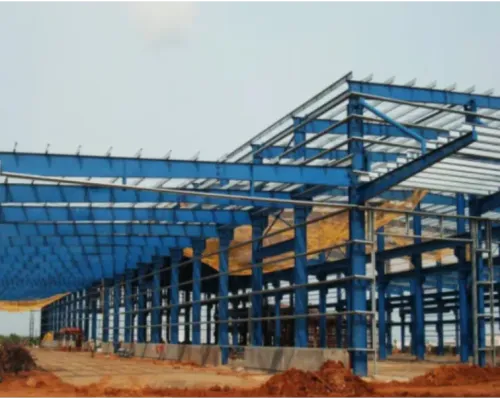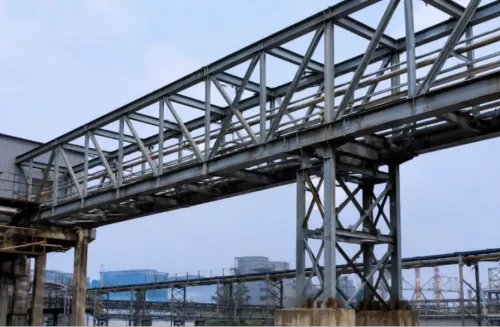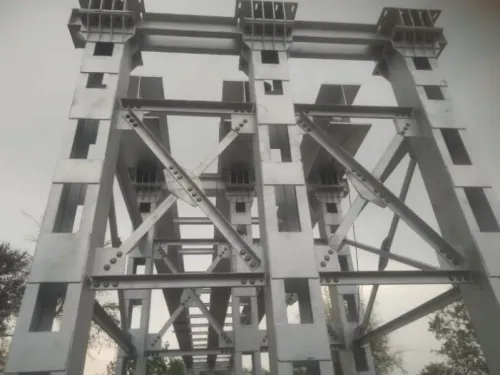
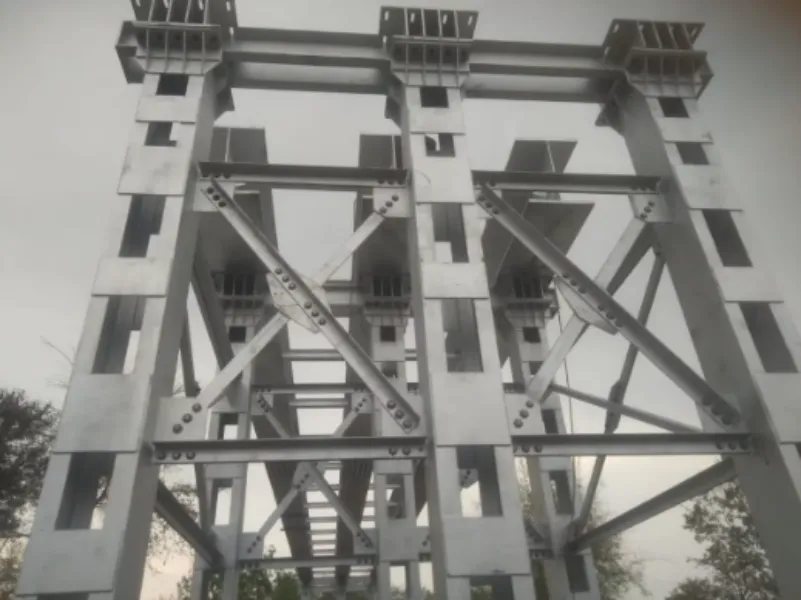
Industrial facilities rely on robust structural systems to support machinery, storage equipment, platforms, pipelines, conveyors, and heavy production operations. Choosing the right Heavy-Duty Structures Manufacturer is essential for ensuring that these structures perform safely and efficiently over many years. Well-engineered heavy-duty structures not only provide the required load-bearing capacity but also contribute to operational efficiency, workplace safety, and future scalability.
For industries across Nagpur, Maharashtra, where engineering, infrastructure, and manufacturing projects continue to grow, investing in high-quality structural fabrication is a key part of building dependable industrial facilities.
What Are Heavy-Duty Industrial Structures?
Heavy-duty structures are fabricated steel frameworks designed to support substantial loads under demanding operating conditions. Unlike conventional structural components, these systems are engineered to withstand continuous stress, vibration, environmental exposure, and dynamic loads generated by industrial equipment.
Common examples include:
- Equipment support structures
- Conveyor support systems
- Industrial platforms
- Pipe rack structures
- Structural frames
- Machine foundations
- Mezzanine floors
- Material handling supports
- Maintenance access platforms
- Heavy steel frameworks
Each structure is designed according to project-specific engineering requirements and applicable safety standards.
Why Structural Engineering Is Critical
Industrial structures do much more than hold equipment in place. They must safely distribute loads, maintain stability, and support uninterrupted production.
Proper engineering helps achieve:
- Higher structural strength
- Improved operational safety
- Better load distribution
- Longer service life
- Reduced maintenance
- Easier equipment integration
- Compliance with engineering standards
Poor structural design, on the other hand, can lead to alignment issues, excessive vibration, premature wear, and costly repairs.
Industries That Depend on Heavy-Duty Structures
Heavy-duty fabricated structures are used across a wide range of industrial sectors.
Some of the major industries include:
- Steel manufacturing
- Cement plants
- Mining operations
- Power generation
- Oil and gas facilities
- Infrastructure development
- Chemical processing
- Manufacturing plants
- Warehousing and logistics
- Engineering and EPC projects
Each industry has unique operational requirements that influence structural design and fabrication.
Important Factors to Consider Before Selecting a Manufacturer
Choosing the right fabrication partner requires evaluating more than production capacity.
Engineering Expertise
The manufacturer should have experienced structural engineers capable of developing designs that match load requirements, operational conditions, and available installation space.
Fabrication Precision
Accurate cutting, welding, drilling, and assembly ensure proper fitment during installation and reduce on-site modifications.
Material Quality
High-quality structural steel contributes to better load-bearing performance, corrosion resistance, and long-term durability.
Surface Protection
Protective coatings or specialised finishes help extend the service life of structures exposed to harsh environmental conditions.
Quality Assurance
A comprehensive inspection process ensures that fabricated components meet dimensional tolerances and structural specifications before delivery.
Common Challenges Caused by Poor Fabrication
Even well-designed structures may experience performance issues if fabrication quality is compromised.
Some common problems include:
- Misaligned structural members
- Uneven load distribution
- Premature corrosion
- Welding defects
- Installation delays
- Increased maintenance requirements
- Reduced structural stability
Working with an experienced manufacturer helps minimize these risks from the beginning of the project.
Benefits of Custom Fabricated Heavy-Duty Structures
Standard structural solutions may not always meet the operational needs of industrial projects. Custom fabrication allows businesses to optimise both performance and available space.
Custom-designed structures offer advantages such as:
- Project-specific dimensions
- Better equipment compatibility
- Improved workflow planning
- Easier future expansion
- Enhanced maintenance accessibility
- Greater operational flexibility
This approach ensures that the structure supports both current production needs and future business growth.
Questions to Ask Before Finalising a Manufacturer
Industrial buyers should gather sufficient technical information before making a procurement decision.
Useful questions include:
- Can the structure be customized for the project?
- What fabrication standards are followed?
- How is welding quality inspected?
- What protective coatings are available?
- What industries has the manufacturer previously served?
- How are structural loads verified?
- What quality checks are performed before dispatch?
These discussions help assess both engineering capability and manufacturing reliability.
Choosing a Reliable Manufacturing Partner
Selecting the right Heavy-Duty Structures Manufacturer involves evaluating technical expertise, production infrastructure, fabrication quality, and experience in delivering customised industrial solutions. Manufacturers with a strong engineering background are better positioned to support complex projects that require precision and long-term reliability.
Ghude Engineering, located in Nagpur, Maharashtra, manufactures heavy engineering equipment and customised fabricated structures for industrial applications. With expertise in structural engineering and precision fabrication, the company develops solutions that meet the operational demands of manufacturing plants, infrastructure projects, and engineering industries.
A well-designed heavy-duty structure forms the backbone of an efficient industrial facility. By choosing a manufacturer with proven engineering capabilities and a commitment to quality, businesses can build infrastructure that supports safe operations, reliable performance, and sustainable growth for years to come.
Keywords