Efficient material handling is the backbone of many industrial operations. Whether it is a cement plant, steel processing unit, food manufacturing facility, mining operation, or chemical processing plant, the movement and storage of bulk materials directly affect productivity. This is why selecting an experienced Hoppers Manufacturer is an important decision for businesses that rely on continuous production.
A well-designed hopper does much more than store raw materials. It regulates material flow, minimizes wastage, improves operational safety, and supports uninterrupted manufacturing processes. For industries in Nagpur, Maharashtra, and other industrial regions, investing in the right hopper can contribute to smoother plant operations and lower maintenance costs.
What Is an Industrial Hopper?
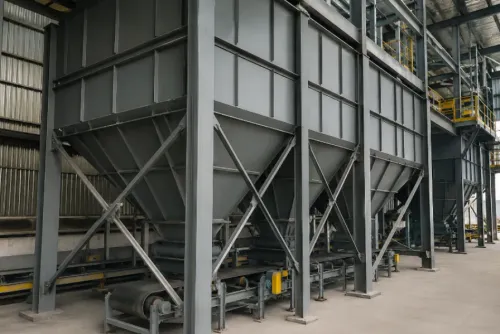
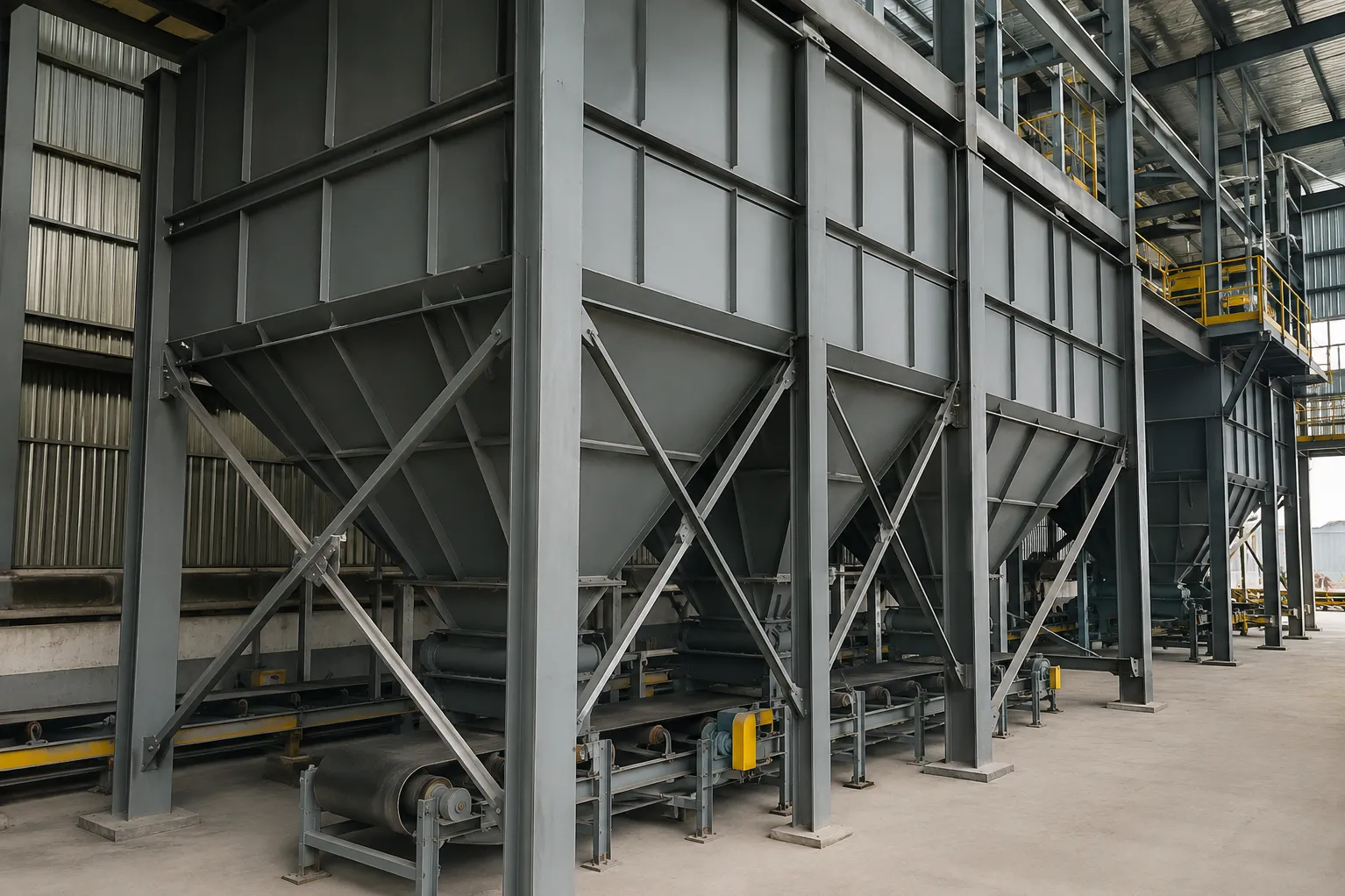
An industrial hopper is a storage container designed to hold and discharge bulk materials in a controlled manner. Its sloped structure allows materials to flow toward the outlet using gravity or mechanical assistance.
Depending on the application, hoppers can be used to handle:
- Sand and aggregates
- Cement and fly ash
- Coal and minerals
- Food grains
- Fertilizers
- Chemical powders
- Plastic granules
- Industrial scrap
- Metal powders
The design varies according to the material's density, moisture content, flow characteristics, and storage requirements.
Why Hopper Design Matters
Many industries assume that any storage vessel can function as a hopper. However, poor design often leads to operational challenges that affect the entire production line.
A properly engineered hopper helps:
- Maintain a consistent material flow
- Prevent material blockages
- Reduce product segregation
- Minimize material wastage
- Improve worker safety
- Support continuous production
- Lower maintenance requirements
These benefits become increasingly important in facilities that operate around the clock.
Different Types of Industrial Hoppers
Manufacturers design hoppers for specific industrial applications. Some commonly used types include:
Conical Hoppers
Suitable for free-flowing materials where smooth discharge is essential.
Pyramid Hoppers
Frequently used in storage bins and material collection systems due to their simple yet effective design.
Rectangular Hoppers
Ideal for larger storage capacities and customized industrial layouts.
Feed Hoppers
Used to deliver controlled quantities of raw materials into crushers, conveyors, mixers, or processing equipment.
Customized Fabricated Hoppers
Designed to match unique plant requirements, material properties, and available installation space.
Choosing the correct hopper type depends on both the material being handled and the production process.
Factors to Consider Before Selecting a Hopper
Every industrial operation has different handling requirements. Before purchasing a hopper, decision-makers should evaluate several important factors.
Material Characteristics
The size, weight, moisture content, and abrasiveness of the material influence hopper design and construction.
Storage Capacity
The hopper should accommodate production demands without occupying unnecessary floor space.
Material Flow Rate
Different processes require varying discharge speeds. A well-designed outlet ensures a consistent and controlled flow.
Construction Material
Depending on the application, hoppers may be fabricated using mild steel, stainless steel, or wear-resistant materials to withstand demanding operating conditions.
Installation Environment
Outdoor installations may require weather-resistant coatings, while indoor process plants may prioritize hygiene, corrosion resistance, or compact designs.
Common Problems Caused by Poorly Designed Hoppers
An improperly designed hopper can create recurring operational issues that reduce plant efficiency.
Some of the most common challenges include:
- Frequent material bridging
- Blocked discharge outlets
- Uneven material flow
- Excessive product wastage
- Increased manual intervention
- Higher equipment wear
- Production downtime
- Increased maintenance costs
Addressing these issues often requires modifications that could have been avoided with better engineering during the initial design stage.
Industries That Use Industrial Hoppers
Industrial hoppers are an essential part of numerous sectors, including:
- Steel manufacturing
- Cement plants
- Power generation
- Mining and mineral processing
- Chemical manufacturing
- Agriculture
- Food processing
- Infrastructure projects
- Waste management facilities
- Heavy engineering industries
Each industry requires hoppers designed to meet specific operational, environmental, and safety standards.
The Importance of Fabrication Quality
The performance of a hopper depends not only on its design but also on the quality of fabrication.
A reliable manufacturing process includes:
- Precision cutting and forming
- Strong structural welding
- Accurate dimensional control
- Surface finishing and protective coatings
- Quality inspections before dispatch
These measures help ensure long service life, even in demanding industrial environments where equipment is exposed to heavy loads and continuous use.
Finding the Right Manufacturing Partner
When evaluating a Hoppers Manufacturer, businesses should consider engineering expertise, customization capabilities, production infrastructure, and quality assurance processes. Reviewing previous industrial projects can also provide valuable insight into a manufacturer's ability to meet application-specific requirements.
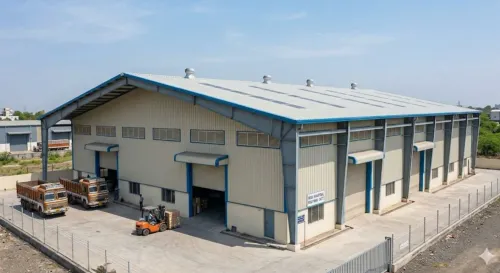
Companies such as Ghude Engineering in Nagpur, Maharashtra, manufacture heavy engineering equipment tailored to industrial applications where durability, precision, and dependable performance are essential. Choosing a manufacturer with experience in custom fabrication can help businesses obtain equipment that integrates seamlessly into their production systems.
A well-designed industrial hopper is more than a storage solution, it is a critical component that supports efficient material handling, improves process reliability, and contributes to the overall productivity of manufacturing operations.
Keywords