Compressed air is often called the fourth utility in modern industries because it powers a wide range of manufacturing and processing operations. While compressors generate compressed air, an air receiver tank plays an equally important role in maintaining system efficiency and operational safety. Businesses searching for a dependable Air Receiver Tank Manufacturers are typically looking for equipment that delivers reliable performance, complies with safety standards, and supports uninterrupted industrial operations.
Across manufacturing hubs such as Nagpur, Maharashtra, industries including automotive, engineering, fabrication, pharmaceuticals, food processing, and infrastructure depend on properly designed air receiver tanks to optimize compressed air systems and reduce operational risks.
What Is an Air Receiver Tank?
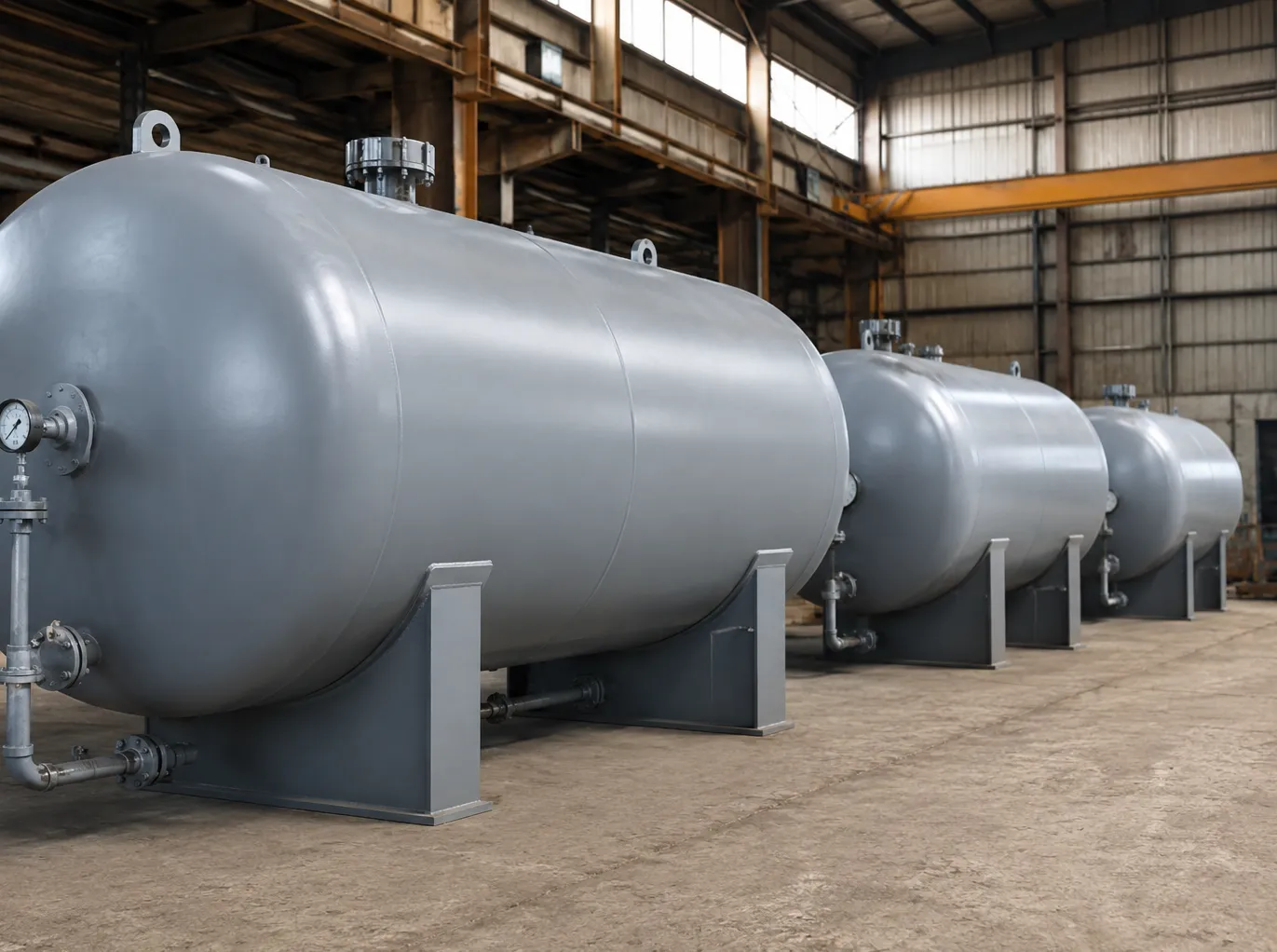
An air receiver tank is a pressure vessel that stores compressed air before it is distributed throughout an industrial system. It acts as a buffer between the compressor and the points of use, ensuring a stable air supply even during fluctuations in demand.
Instead of forcing the compressor to start and stop frequently, the tank stores excess compressed air and releases it when required. This improves system efficiency and helps extend the life of the compressor.
Why an Air Receiver Tank Is Essential
Many businesses focus primarily on selecting the right compressor while overlooking the importance of the storage tank. However, the air receiver contributes significantly to overall system performance.
Its key functions include:
- Maintaining consistent air pressure
- Reducing compressor cycling
- Improving energy efficiency
- Removing moisture through cooling
- Supporting peak air demand
- Protecting downstream equipment
- Extending compressor service life
These advantages make an air receiver a vital component rather than an optional accessory.
How Air Receiver Tanks Improve Compressed Air Systems
A properly sized and engineered air receiver delivers several operational benefits.
Stable Air Pressure
Industrial equipment often requires consistent air pressure for accurate and reliable operation. The receiver tank minimises sudden pressure drops caused by varying production loads.
Better Moisture Separation
As compressed air cools inside the receiver, water vapour condenses and settles at the bottom of the tank. This moisture can then be drained before it reaches pneumatic tools or production equipment.
Lower Energy Consumption
By reducing unnecessary compressor start-stop cycles, the tank helps lower electricity consumption and improves the overall efficiency of the compressed air system.
Increased Equipment Life
Compressors experience less mechanical stress when operating alongside a properly sized receiver tank, reducing wear on motors, valves, and other critical components.
Industries That Commonly Use Air Receiver Tanks
Compressed air systems are essential in a wide variety of industrial environments. Air receiver tanks are commonly used in:
- Heavy engineering plants
- Steel fabrication units
- Automobile manufacturing
- Pharmaceutical industries
- Food processing facilities
- Textile industries
- Cement plants
- Chemical processing units
- Packaging industries
- Infrastructure and construction projects
Each application may require different tank capacities, pressure ratings, and fabrication specifications.
Factors to Consider Before Purchasing an Air Receiver Tank
Selecting the right air receiver involves more than choosing the largest available capacity. Buyers should carefully evaluate several technical factors.
Tank Capacity
The receiver should be sized according to compressor output, production demand, and anticipated pressure fluctuations.
Working Pressure
The pressure rating must match or exceed the operating pressure of the compressed air system while complying with applicable engineering standards.
Material Quality
High-quality steel and precision fabrication contribute to the structural strength and long service life of the tank.
Corrosion Protection
Protective coatings or specialised finishes help extend equipment life, particularly in humid or corrosive industrial environments.
Safety Features
Pressure relief valves, drain systems, pressure gauges, and inspection ports are essential for safe operation and routine maintenance.
Common Mistakes During Air Receiver Selection
Several procurement mistakes can reduce system efficiency or increase operating costs.
Avoid the following:
- Choosing a tank based only on price
- Ignoring future production expansion
- Selecting an incorrect pressure rating
- Overlooking maintenance accessibility
- Failing to consider installation space
- Not verifying manufacturing quality standards
Taking these factors into account during the planning stage can prevent expensive upgrades or replacements later.
Why Fabrication Quality Matters
Since an air receiver operates under pressure, manufacturing quality is critical. Precision welding, dimensional accuracy, material testing, and rigorous quality inspections all contribute to the safety and reliability of the finished product.
A well-fabricated tank offers:
- Consistent structural integrity
- Improved operational safety
- Longer service life
- Reduced maintenance requirements
- Reliable performance under continuous industrial use
These qualities are particularly important for businesses operating around the clock.
Selecting a Reliable Manufacturing Partner
When evaluating an Air Receiver Tank Manufacturer, businesses should consider engineering expertise, fabrication capabilities, quality assurance practices, customisation options, and experience in supplying equipment for industrial applications.
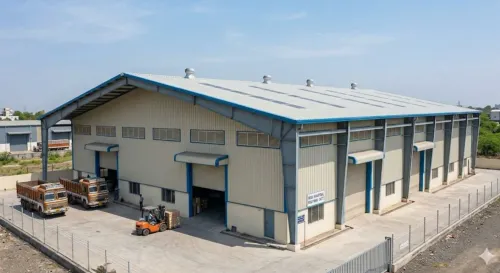
Manufacturers such as Ghude Engineering, located in Nagpur, Maharashtra, produce heavy engineering equipment designed to meet the operational requirements of industries ranging from manufacturing and infrastructure to processing and fabrication. Their ability to develop customised industrial solutions allows businesses to select equipment that aligns with specific plant layouts and production needs.
A properly engineered air receiver tank does more than store compressed air. It improves system stability, enhances energy efficiency, supports safer operations, and contributes to the long-term reliability of an industrial compressed air network. Choosing the right manufacturing partner ensures that this critical equipment delivers dependable performance for years to come.
Keywords